City · Central Andes
Bogotá
Bogotá on your own: how many days you need, where to stay, the Gold Museum and Monserrate with prices, TransMilenio, a trip to Zipaquirá and altitude tips.
In this guide
Bogotá is Colombia’s gateway for most international flights, and many travellers rush through it. I think that’s a mistake: in 2-3 days you can see one of South America’s best museums, a colonial old town full of street art, the view from Monserrate and one of the country’s liveliest food scenes. Here’s how to plan your days, where to stay, what the sights cost and how to deal with the altitude.
How many days do you need in Bogotá?
This is how I’d plan three days:
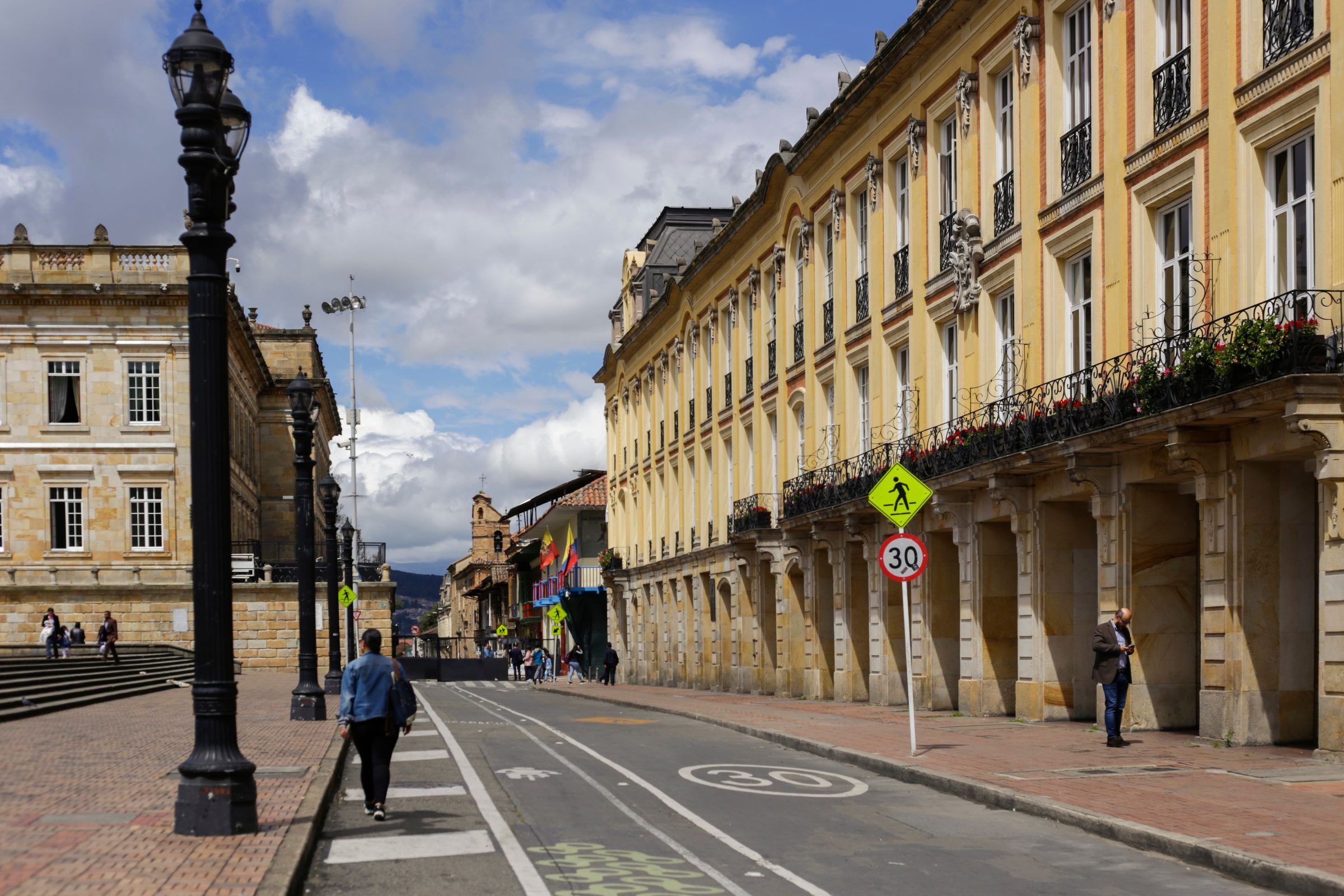
- Day 1 – La Candelaria. Plaza de Bolívar, the Gold Museum, the Botero Museum, Chorro de Quevedo and a wander among the district’s murals.
- Day 2 – Monserrate and the north. Up Monserrate early in the morning, when the sky is clearest; in the afternoon Chapinero or Usaquén and dinner in Zona G.
- Day 3 – Zipaquirá. A trip to the Salt Cathedral, carved into a mine about an hour from Bogotá.
With only two days, combine Monserrate with La Candelaria (they’re close) and spend the second day in Zipaquirá. From Bogotá you can also reach the colonial towns of Boyacá, such as Villa de Leyva, in the Central Andes.
Getting from El Dorado Airport
El Dorado International Airport (BOG) is the country’s largest, with direct flights from Europe, North America and the rest of the continent. Before you fly, check the entry requirements.
- Official taxi or app: the easiest option with luggage. La Candelaria or Chapinero are 30-60 minutes away, depending on traffic.
- TransMilenio buses: cheap, but awkward with suitcases and at rush hour.
Bogotá’s traffic can be heavy: if you have a flight to catch, leave with plenty of time.
Getting around the city
- TransMilenio: the bus rapid transit network on dedicated lanes. A ride costs 3,550 pesos, paid with the rechargeable TuLlave card. It’s fast but often crowded: at rush hour wear your backpack on your front.
- Taxis and apps: convenient and cheap. At night always use an app or ask the restaurant to call one.
- On foot: La Candelaria is walkable; distances between neighbourhoods are long.
The first metro line is under construction. For domestic flights and buses to other cities, see getting around Colombia.
What to see in Bogotá
The main sights are grouped in three areas: La Candelaria with its museums, Monserrate for the view and the north with Usaquén.
| Place | Price | Time |
|---|---|---|
| Gold Museum | 21,000 pesos (foreign visitors), free on Sundays; closed Mondays | 2 hours |
| Botero Museum | free; closed Tuesdays | 1 hour |
| Monserrate | 35,000 pesos return by cable car or funicular, trail free | 2-3 hours |
| La Candelaria and Plaza de Bolívar | free | half a day |
| Usaquén (weekend flea market) | free | half a day |
Opening hours, tips and a three-day itinerary are in our guide to things to do in Bogotá. The two most searched-for places have their own guides: the Gold Museum and Usaquén and its market. On Sundays, from 7 am to 2 pm, many roads close to cars for the Ciclovía: rent a bike and join the locals.
Day trip to the Zipaquirá Salt Cathedral
The Salt Cathedral is an underground church carved into a still-working salt mine, about 50 km from Bogotá. Tickets for foreign visitors cost around 125,000-130,000 pesos (prices vary by package). Get there by bus from TransMilenio’s Portal Norte terminal in about an hour or, on weekends when it’s running, on the Sabana tourist train. Allow half a day, or a full day if you stay in town for lunch. Tickets, opening hours and an itinerary are in our guide to Zipaquirá and the Salt Cathedral.
Where to stay in Bogotá
| Area | Best for | Pros | Cons |
|---|---|---|---|
| La Candelaria | budget, a short first visit | museums and old town on foot, plenty of hostels | empties at night, better to use taxis |
| Chapinero and Zona G | food lovers | restaurants, cafés and bars, halfway between the centre and the north | fewer sights within walking distance |
| Zona T, Parque 93, Usaquén | comfort and quiet | modern, safe areas with international hotels | far from the old town |
My advice: Chapinero is the best compromise between location, safety and atmosphere. Choose La Candelaria only if you want to spend little and walk everywhere by day.
How much does Bogotá cost?
| Item | Typical price |
|---|---|
| TransMilenio ride | 3,550 pesos |
| Gold Museum (foreign visitors) | 21,000 pesos, free on Sundays |
| Botero Museum | free |
| Monserrate by cable car or funicular | 35,000 pesos return, 21,000 one way |
| Zipaquirá Salt Cathedral (foreign visitors) | 125,000-130,000 pesos |
Bogotá has lots of free or nearly free museums: your biggest cost after accommodation will be taxis between neighbourhoods.
When to go
Bogotá is cool all year: the average is around 14 °C (57 °F), with sunny days reaching 20 °C and cold nights. The weather changes quickly, so always carry a jacket and an umbrella. The driest periods are December to February and July to August; April-May and October-November are the rainiest months. To compare with other destinations, see when to visit Colombia.
Altitude and safety
- Altitude: Bogotá is at 2,600 metres and Monserrate over 3,100. For the first few days you may feel breathless, headachy or tired: drink plenty of water, limit alcohol and don’t plan the Monserrate trail on the day you arrive.
- Safety: in La Candelaria and on TransMilenio keep your phone in your pocket and your backpack in front; at night use app-booked taxis. You’ll find all the advice in our guide to safety in Colombia.
Frequently asked questions
How many days do you need in Bogotá?
Two or three days: one for La Candelaria and the Gold Museum, one for Monserrate and the northern neighbourhoods and, if you have time, one for the Zipaquirá Salt Cathedral.
Is the Bogotá Gold Museum free?
It’s free on Sundays; on other days foreign visitors pay 21,000 pesos. The museum is closed on Mondays.
How much does it cost to go up Monserrate?
By cable car or funicular, 35,000 pesos return or 21,000 pesos one way, Monday to Saturday; Sundays are cheaper. The walking trail is free.
How much is TransMilenio?
A ride costs 3,550 pesos, paid with the rechargeable TuLlave card sold at stations.
Will the altitude affect me in Bogotá?
Bogotá is at 2,600 metres: in the first few days you may feel short of breath or get a headache. Drink plenty of water, limit alcohol and take it easy, especially before going up Monserrate.
More on Bogotá
- Things to do in Bogotá
Things to do in Bogotá: La Candelaria, the Gold Museum, Botero Museum, Monserrate, Usaquén and the Ciclovía, with opening hours, ticket prices and a 3-day plan.
- Gold Museum, Bogotá (Museo del Oro)
Bogotá's Gold Museum: opening hours, 21,000-peso tickets, free Sundays, the rooms not to miss, the Muisca Raft, how to get there and how long you need.
- Usaquén: the Sunday market and what to do
Usaquén in Bogotá: the weekend flea market and its hours, how to get there from downtown, what to see, where to eat and whether it's worth staying in the area.
Some links are affiliate links: if you buy through them I earn a small commission, at no extra cost to you. How it works
Nearby and worth combining
Central Andes
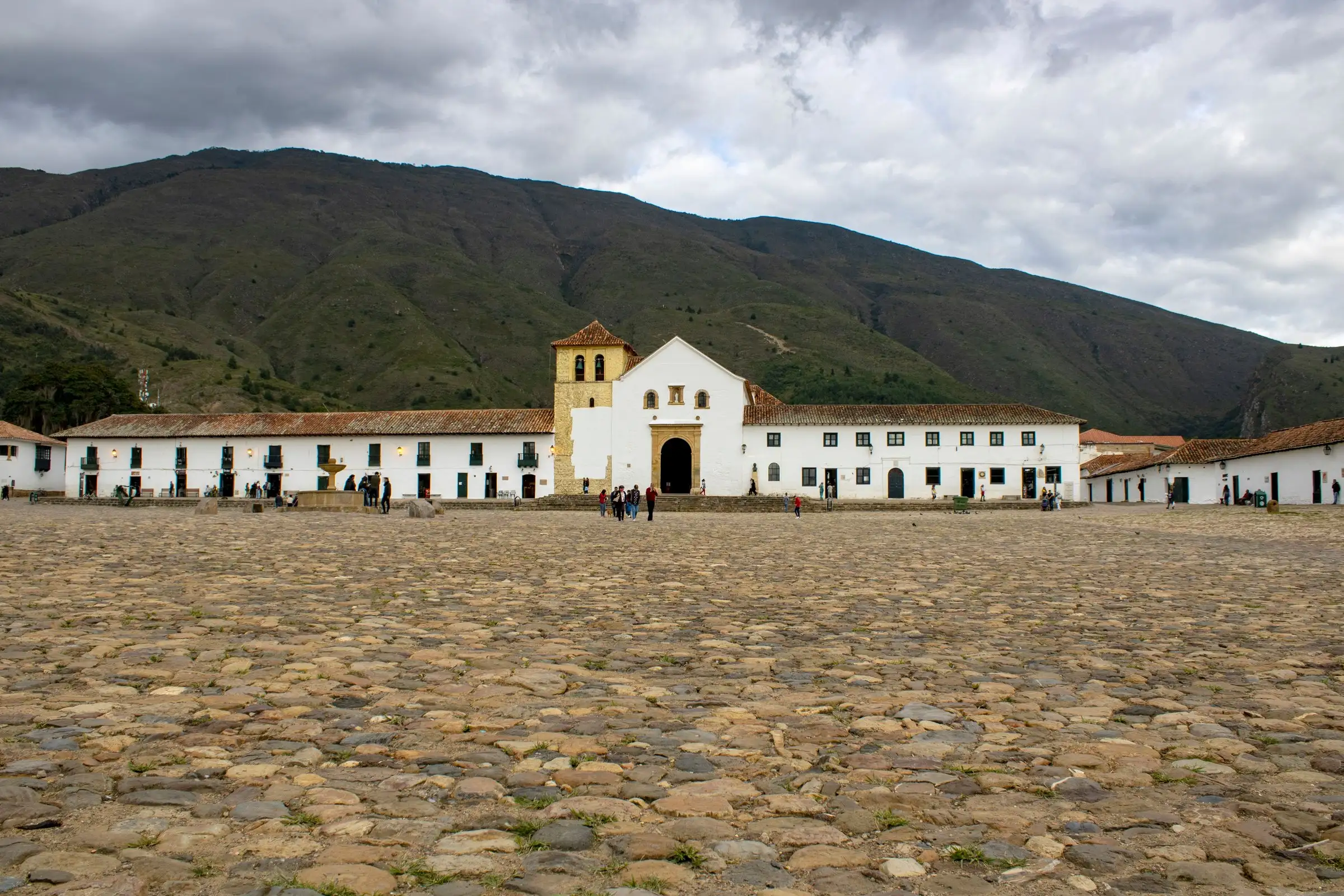
Villa de Leyva
Villa de Leyva on your own: buses from Bogotá with times and prices, Plaza Mayor, Casa Terracota and fossils, where to stay, a 2-day itinerary and costs.
Central Andes
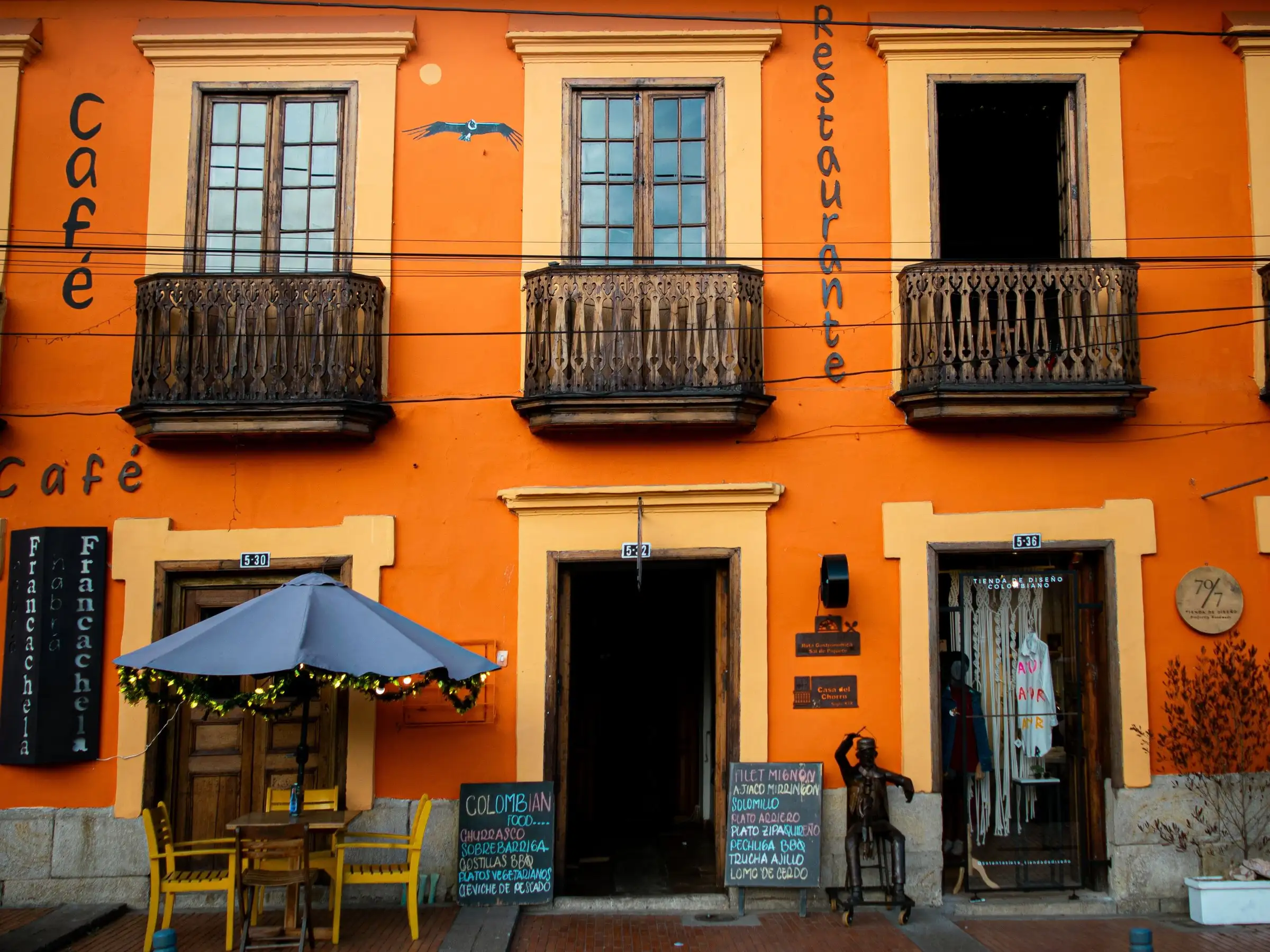
Zipaquirá and the Salt Cathedral
Zipaquirá on your own from Bogotá: bus and train with times and prices, Salt Cathedral tickets and opening hours, what to see in town and how to plan the trip.