Safety
Is Colombia safe? Safety tips for travellers
Is Colombia safe to visit? Areas to avoid, neighbourhoods to watch, common scams, taxis and apps, scopolamine and what to do if you're robbed.
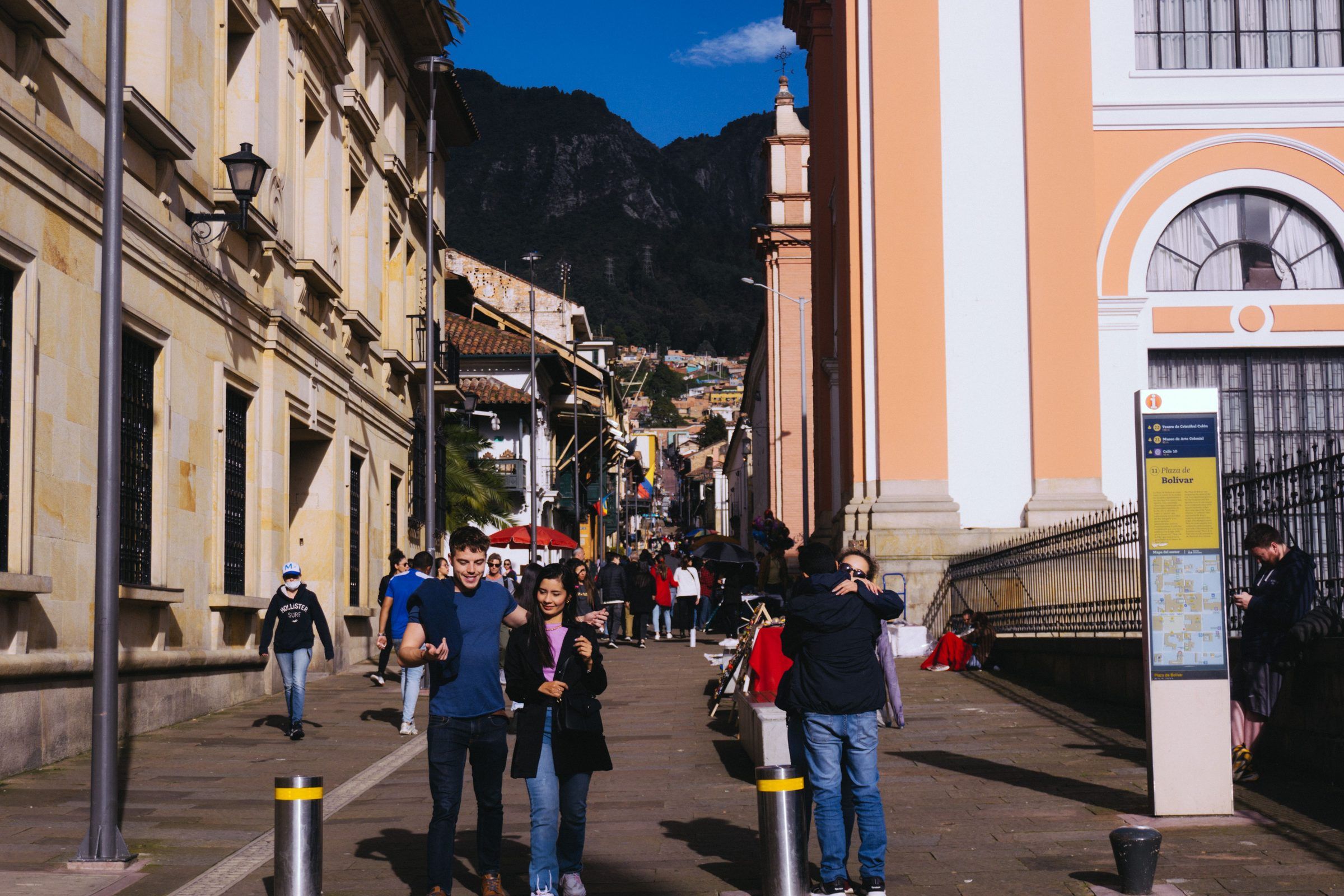
In this guide
- Is Colombia safe for tourists?
- Areas to avoid in Colombia
- City neighbourhoods to watch
- Phone theft and snatching
- Taxis, apps and getting around
- The most common scams
- ATMs and cards
- Scopolamine, nightlife and dating apps
- Drugs and the law
- Health and natural hazards
- What to do after a theft or emergency
- Frequently asked questions
Colombia is safe to visit if you stick to the tourist areas and follow a few clear rules: every year millions of travellers explore Cartagena, Medellín, Bogotá and the Coffee Region without trouble. The most realistic risk for you isn’t guerrilla groups but phone theft in the street, followed by scams and night-time muggings. There are, however, rural and border areas where armed groups operate, and those are off-limits. This guide covers where they are, the city neighbourhoods to watch, the most common scams and what to do if something goes wrong.
Is Colombia safe for tourists?
Yes, in the tourist destinations Colombia is a good country to travel in, as long as you’re not naive. Colombians have a saying for it: no dar papaya, “don’t hand out papaya”, meaning don’t give anyone the opportunity. A phone left on a pavement café table, a bag hanging on the back of a chair or a solo walk down an empty street at night are exactly the “papayas” thieves look for.
Violence linked to the armed conflict and drug trafficking is concentrated in rural and border areas far from the tourist trail. Things do change, though: before you go, check the FCDO Colombia travel advice (UK) or the State Department advisory (US), which in 2026 rates the country as a whole Level 3, “reconsider travel”, with specific no-go areas. US citizens can also enrol in the STEP programme so the embassy can reach them in an emergency.
Areas to avoid in Colombia
In 2026 the UK Foreign Office and the US State Department advise against all or all but essential travel mainly to these areas:
- Venezuelan border: all of Norte de Santander (including Cúcuta and the Catatumbo region) and Arauca. Don’t cross the border overland.
- South-west: Cauca, except the capital Popayán, and the parts of Valle del Cauca outside Cali, such as Jamundí and Buenaventura.
- Pacific: most of Chocó (Quibdó, Nuquí, Bahía Solano and Capurganá are exceptions) and the coastal and rural areas of Nariño.
- North-west: the Urabá and Bajo Cauca regions of Antioquia, and southern Córdoba and Bolívar.
- Centre and south-east: Guaviare (except San José del Guaviare), parts of Caquetá, Putumayo and southern Meta (Caño Cristales excluded).
None of the main destinations on this site falls within these areas: Cartagena, Santa Marta, Medellín, Bogotá and the Coffee Region are considered fine to visit with normal precautions.
Sierra Nevada and Tayrona National Park
The Sierra Nevada de Santa Marta area is still busy with travellers, but 2026 brought some difficult moments: in February and June, clashes between armed groups and roadblocks on the Troncal del Caribe, the road linking Santa Marta with Tayrona National Park and Palomino, forced the park to close for a few days and left hundreds of tourists stranded. Before heading to Tayrona, Minca or the Lost City, check local news and the Parques Nacionales channels, and ask your accommodation how things are on the road.
City neighbourhoods to watch
In the big cities, the neighbourhood and the time of day make all the difference. This table sums up where you’ll usually feel at ease and where to take more care:
| City | Safer areas to stay | Where to take care |
|---|---|---|
| Cartagena | old town, San Diego, Getsemaní, Bocagrande | pushy beach vendors, quiet streets outside the walls at night |
| Medellín | El Poblado, Laureles, Envigado | Parque Lleras and Provenza at night, the centre after dark |
| Bogotá | Chapinero Alto, Zona G, Usaquén | La Candelaria and the centre after dark, TransMilenio at rush hour |
| Santa Marta | historic centre, El Rodadero | the seafront and Taganga late at night |
| Salento and the coffee towns | the whole town | no problem areas, just normal precautions |
Phone theft and snatching
The most common theft is a phone snatched from your hand, sometimes by two people on a motorbike. It happens mostly on busy streets, at traffic lights and at outdoor tables.
- Only use your phone in the street with your back to a wall or inside a shop; for directions, use earphones and download offline maps.
- Don’t leave your phone on the table at outdoor bars, and wear your backpack on your front on public transport and in markets.
- Carry only the day’s cash and one card; leave your passport and a second card in your accommodation’s safe, with a photo of your passport on your phone and in your email.
- If you’re mugged, don’t resist: hand over what they ask for. No phone is worth the risk.
Taxis, apps and getting around
By day yellow taxis are generally reliable, but don’t hail them in the street at night: use an app or have your hotel or restaurant call one. In the big cities Uber, DiDi, Cabify and inDrive all work; private-car platforms sit in a legal grey area in Colombia, but thousands of people use them every day, and they track your ride and show the fare upfront.
The reason for this rule is the paseo millonario: the victim gets into a taxi hailed in the street, accomplices climb in and drive them from ATM to ATM. It’s rare, but it does happen, mostly at night in Bogotá.
- At the airport, only use the official taxi rank or a transfer arranged by your hotel.
- For long bus journeys choose daytime departures and keep the bag with your documents on your lap, not in the overhead rack.
- Everything on flights, buses and taxis is in our guide to getting around Colombia.
The most common scams
| Scam | How it works | How to avoid it |
|---|---|---|
| Fake police | someone in plain clothes flashes a badge and asks to “check” your cash or cards | real police don’t inspect banknotes: ask to go to a police station |
| Inflated prices | on the beach or at the market the price is only named after the service | always ask the price first: massages, oysters, sunbeds, boat trips |
| Taxis without a fare | in Cartagena and Santa Marta taxis have no meter | agree the fare before getting in or use an app |
| Street money changers | tempting rates, then fake or missing notes | only change money at a casa de cambio or use an ATM |
| Tours sold on the dock | overloaded boats, services different from what was promised | book with operators that have verified reviews |
| Card skimming | tampered readers or a waiter taking your card away | keep your card in sight and use contactless where you can |
ATMs and cards
Withdraw cash in daylight from machines inside banks, shopping centres or supermarkets, cover the keypad when you type your PIN and don’t accept help from strangers, even if your card seems stuck. Turn on your bank’s app notifications so you see every transaction straight away. Fees, withdrawal limits and the best cards to bring are all covered in our guide to money and payments in Colombia.
Scopolamine, nightlife and dating apps
Scopolamine (burundanga) is a drug that makes victims compliant and confused, to the point of handing over cash, PINs and belongings without resisting, often with no memory of it afterwards. It’s usually slipped into drinks and, more rarely, blown as a powder or put on flyers.
Embassies have been warning for years about robberies, sometimes violent, linked to dates arranged through dating apps, especially in Medellín and Bogotá. Only meet people in busy public places, tell someone where you are, don’t share your accommodation address and don’t bring anyone back to your room on a first date.
Drugs and the law
Possessing and trafficking drugs are crimes and trafficking sentences are very harsh; the nightlife areas where drugs are offered (Parque Lleras in Medellín, some streets in Cartagena and Taganga) are also where most thefts and scams happen. Never carry packages or bags for anyone else. Child sexual exploitation is prosecuted severely in Colombia and, under UK and US law, also when committed abroad.
During periods of political tension there may be protests and roadblocks: keep away and follow local news.
Health and natural hazards
Not every risk is about crime:
- The sea: at Tayrona and on many Caribbean beaches the currents are strong, and “no apta para bañistas” (unsafe for swimming) signs should be taken seriously.
- Altitude: Bogotá sits at about 2,600 metres (8,500 ft); take it easy on the first day and drink plenty of water.
- Mosquitoes: dengue is widespread in hot areas, so use repellent, especially at dawn and dusk. The yellow fever vaccine is recommended for the Amazon, the Sierra Nevada and Tayrona, and Parques Nacionales has asked for vaccination certificates at some parks in the past: talk to your doctor or travel clinic at least ten days before you leave.
- Water: tap water is drinkable in Bogotá and Medellín; on the coast and in rural areas drink bottled water.
Private healthcare in Colombia is good but expensive, and neither the UK GHIC nor US Medicare covers you there: travel insurance with medical cover is strongly recommended.
What to do after a theft or emergency
- Call 123, the single emergency number for police, ambulance and fire. Tourist cities also have a Policía de Turismo (tourist police) to help visitors.
- Block your cards and SIM through your bank’s app and your network; if your phone is stolen, change your email and banking passwords straight away. To get back online within hours, read our guide to SIM cards and eSIMs in Colombia.
- Report it: for thefts without violence you can file a report online on the Policía Nacional’s A Denunciar portal; for a mugging go to a police station in person. You’ll need the report for your insurance claim.
- If you lose your passport, contact your embassy in Bogotá (British or US), which can issue an emergency travel document to get you home. Bring the police report and a copy of your passport.
Frequently asked questions
Is Colombia safe for tourists?
Yes, the main tourist destinations are fine to visit with normal precautions. The most common risk is phone theft; some rural and border areas, such as the Venezuelan border and Cauca, are best avoided.
What is the safest city in Colombia for tourists?
The small towns of the Coffee Region, such as Salento and Filandia, and Villa de Leyva are the most relaxed places. Among the big cities, Cartagena’s old town and the El Poblado and Laureles neighbourhoods of Medellín are where travellers get around most easily.
Is it safe to take taxis in Colombia?
Yes, if you book them through an app (Uber, DiDi, Cabify, inDrive) or your hotel. Avoid hailing them in the street, especially at night, to rule out the so-called paseo millonario.
What is the emergency number in Colombia?
123, which works nationwide for police, ambulance and fire.
Is Colombia safe for solo female travellers?
Yes, many women travel solo in Colombia every year. The same rules apply to everyone, with extra care at night: use app taxis, choose well-reviewed accommodation in central neighbourhoods and never accept drinks from strangers.
Some links are affiliate links: if you buy through them I earn a small commission, at no extra cost to you. How it works
More practical guides
Practical info
Colombia time zone: what time it is and the difference with the UK and US
Colombia's time zone explained: UTC-5 all year with no daylight saving, the difference with London and US cities, sunrise and sunset times and beating jet lag.
Flights
Flights to Colombia: nonstops, connections, airports and prices
Flights to Colombia from the UK and the US: nonstop routes, the easiest connections, which airport to fly into, when to book and what you need at check-in.
Getting around
Getting around Colombia
How to get around Colombia: domestic flights, buses, shuttles, taxis, apps and city transport, with travel times between cities, rough prices and tips.