Place · Central Andes
Zipaquirá and the Salt Cathedral
Zipaquirá on your own from Bogotá: bus and train with times and prices, Salt Cathedral tickets and opening hours, what to see in town and how to plan the trip.
In this guide
- How to get from Bogotá to Zipaquirá
- The Salt Cathedral: tickets, opening hours and the visit
- What to see in Zipaquirá besides the cathedral
- Itinerary: Zipaquirá in half a day or a full day
- Where to stay: Bogotá is the better base
- How much a trip to Zipaquirá costs
- When to visit Zipaquirá
- Mistakes to avoid
- FAQ
Zipaquirá is the easiest day trip from Bogotá: a colonial town about 50 km from the capital, famous for its Salt Cathedral, a church carved about 180 metres (590 ft) underground inside a salt mine. I think it’s worth half a day, or a full day if you want a relaxed lunch in town. It’s easy to do on your own, without a tour: here’s how to get there, what the tickets cost and how to avoid the queues.
How to get from Bogotá to Zipaquirá
The cheapest way is the intercity bus from Portal Norte, TransMilenio’s northern terminus. Ride TransMilenio there (3,550 pesos a trip) and catch one of the buses to Zipaquirá, which leave constantly throughout the day. The journey takes about 1 hour to 1 hour 15 minutes, depending on traffic, and the ticket costs about 10,500 pesos according to the 2026 fares for Cundinamarca buses. From Zipaquirá’s bus terminal you can walk uphill to the cathedral or take a short taxi ride.
Other options:
- Sabana tourist train: leaves Bogotá (stopping at Usaquén) only on Saturdays, Sundays and public holidays, in the morning, and returns in the afternoon. A return ticket costs 96,000 pesos for adults and 90,000 for children and over-60s on the official Turistren website; buying online adds service fees. Cathedral entry isn’t included. It’s slow but fun if you like the idea of a day out by train.
- Taxi or car: handy for groups of three or four, but traffic leaving Bogotá can double the journey time.
- Organised tour: picks you up from your hotel and often includes Guatavita Lagoon. Worth it if you want to see both in one day without any hassle.
For buses, terminals and ride-hailing apps, see our guide to getting around Colombia.
The Salt Cathedral: tickets, opening hours and the visit
The current Catedral de Sal opened in 1995, carved out of the salt below an older one that was closed for safety reasons. The route goes down a tunnel lined with the 14 Stations of the Cross, sculpted into the rock and lit in different colours, and reaches the three main naves, with a huge cross carved at the far end. A self-guided visit takes about 1.5 to 2 hours.
| Ticket | Foreign adults | Colombian adults |
|---|---|---|
| Básico (cathedral) | about 125,000 pesos | about 75,000 pesos |
| Estándar (cathedral + other attractions) | about 136,000 pesos | about 88,000 pesos |
| Premium (more activities) | about 164,000 pesos | about 116,000 pesos |
Children and over-60s pay reduced rates, and prices can go up in high season. Sources don’t all agree (some give 130,000 pesos for the basic foreigner ticket): check the price on the official Catedral de Sal website before you go.
Opening hours: daily from 9 am to 6 pm, with last entry between 5:30 and 5:45 pm depending on the source. During Holy Week (Semana Santa) there are special hours and services, and huge crowds.
In my view the basic ticket is enough for most visitors: the cathedral itself is the highlight. Only get the Standard ticket if you’re travelling with children or want the extra activities, such as the miner’s route.
What to see in Zipaquirá besides the cathedral
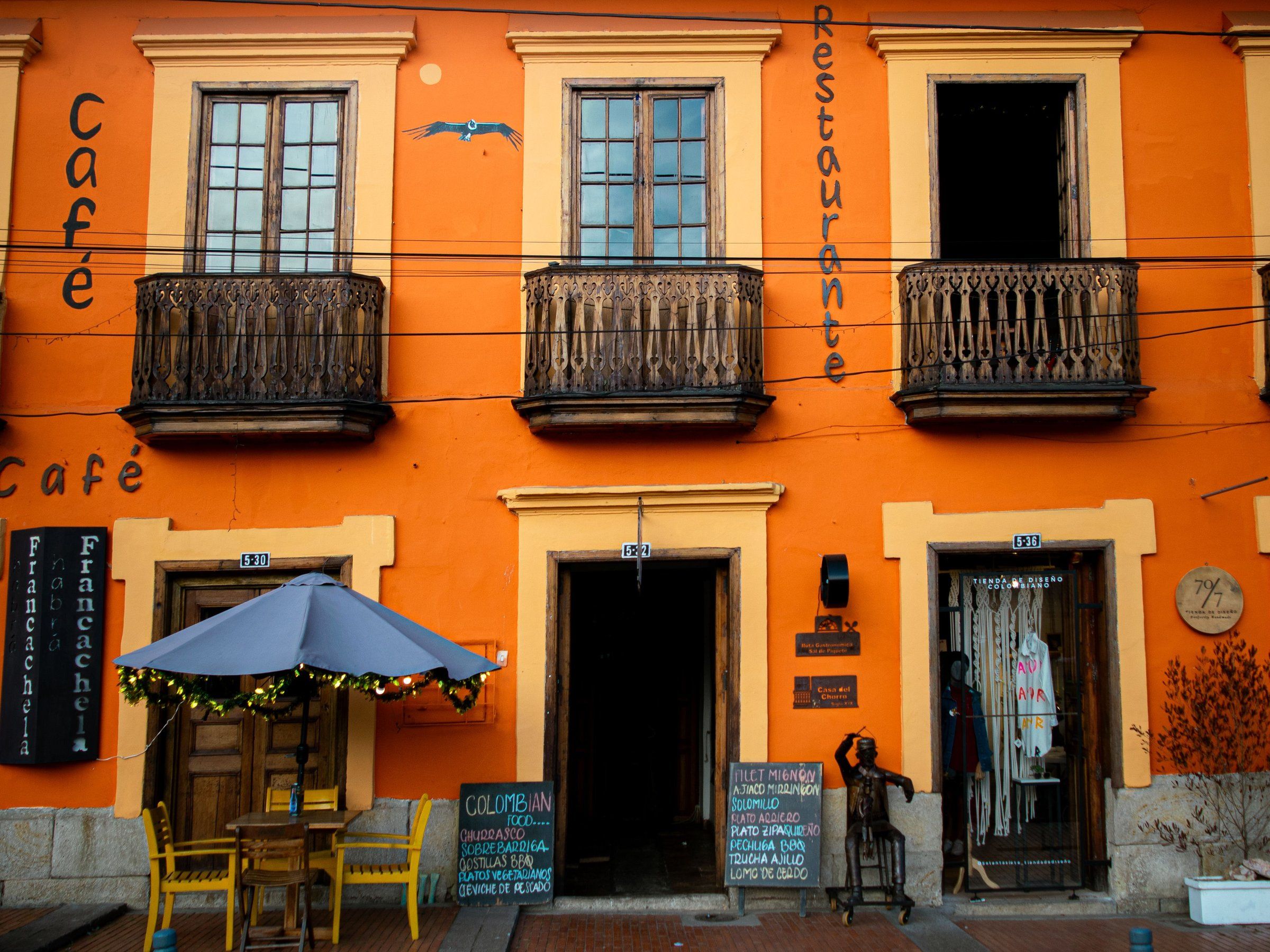
After the mine, walk down to the centre: Plaza de los Comuneros, with the stone diocesan cathedral, is lined with colonial houses with wooden balconies, restaurants and cafés. An hour or two is enough for a stroll and lunch. It’s also a good chance to try highland food, such as ajiaco soup or grilled meat with potatoes and arepa.
If you want a second stop, Guatavita Lagoon (the sacred Muisca lake behind the El Dorado legend) is in the same area, but public transport between the two is awkward: to do both on the same day, take a tour or hire a car.
Itinerary: Zipaquirá in half a day or a full day
Half a day (by bus):
- 7:30 am – TransMilenio to Portal Norte and a bus to Zipaquirá.
- 9:00 am – Into the Salt Cathedral as it opens, a 1.5 to 2-hour visit.
- 11:30 am – A walk around Plaza de los Comuneros and lunch in the centre.
- 1:30 pm – Bus back, in Bogotá by early afternoon.
Full day (by train, at weekends): leave in the morning on the Sabana train, visit the cathedral, have lunch in town and take the train back in the afternoon. The train leaves you less free time in town than you’d expect: once you arrive in Zipaquirá, head straight for the cathedral.
Where to stay: Bogotá is the better base
You don’t need to stay overnight in Zipaquirá: the visit fits easily into half a day and Bogotá has far more choice of places to stay and eat. I’d stay in Chapinero or around Usaquén, which are also the most convenient areas for Portal Norte or the train station. A night in Zipaquirá only makes sense if you’re driving north, for example towards Villa de Leyva, and want to break up the journey.
How much a trip to Zipaquirá costs
| Item | Typical price |
|---|---|
| TransMilenio to Portal Norte | 3,550 pesos |
| Bus Portal Norte – Zipaquirá | about 10,500 pesos each way |
| Sabana tourist train (adults) | 96,000 pesos return |
| Salt Cathedral, basic ticket (foreign visitors) | about 125,000 pesos |
| Salt Cathedral, basic ticket (Colombians) | about 75,000 pesos |
Using public transport and the basic ticket, a trip to Zipaquirá costs about 155,000-160,000 pesos per person, not counting lunch. The biggest cost is cathedral entry.
When to visit Zipaquirá
Underground the temperature is stable, so you can visit the cathedral all year round. Outside, though, you’re at about 2,650 metres (8,700 ft): it’s cool, the weather changes quickly and in April-May and October-November it rains more often, usually in the afternoon. Bring a jacket and, if you can, avoid weekends, long holiday weekends and Holy Week. The weather in other regions is covered in our guide on when to visit Colombia.
Mistakes to avoid
- Arriving at midday at the weekend. Queues at the ticket office and inside the mine get longer: go at 9 am or on a weekday.
- Forgetting your passport. The Colombian rate is much lower but only applies with a Colombian ID; keep yours on you to avoid any argument at the till.
- Buying a pricier ticket than you need. The Standard and Premium packages add secondary activities: the basic ticket is all you need to see the cathedral.
- Assuming the train includes the cathedral. The train ticket only covers the journey: entry is paid separately.
- Dressing too lightly. It’s cool and damp inside the mine, and outside, at 2,650 metres, it gets cold quickly in the afternoon.
FAQ
How much does the Zipaquirá Salt Cathedral cost?
The basic ticket costs about 125,000 pesos for foreign adults and about 75,000 for Colombians; the Standard and Premium packages cost more. Some sources give 130,000 pesos for foreigners: check the official website before you go.
How do you get from Bogotá to Zipaquirá?
Take TransMilenio to Portal Norte and then an intercity bus, which takes about 1 hour to 1 hour 15 minutes and costs about 10,500 pesos. At weekends and on public holidays there’s also the Sabana tourist train, at about 96,000 pesos return.
How long do you need for the Salt Cathedral?
The cathedral visit takes about 1.5 to 2 hours. With the journey from Bogotá and a walk around the centre, allow half a day.
What are the Salt Cathedral’s opening hours?
It’s open daily from 9 am to 6 pm, with last entry between 5:30 and 5:45 pm. Hours may change during Holy Week.
Can you visit Zipaquirá and Guatavita on the same day?
Yes, but it’s tricky by public transport because connections between the two are awkward. To do both, take a tour from Bogotá or hire a car.
Some links are affiliate links: if you buy through them I earn a small commission, at no extra cost to you. How it works
Nearby and worth combining
Central Andes
Villa de Leyva
Villa de Leyva on your own: buses from Bogotá with times and prices, Plaza Mayor, Casa Terracota and fossils, where to stay, a 2-day itinerary and costs.
Central Andes
Bogotá
Bogotá on your own: how many days you need, where to stay, the Gold Museum and Monserrate with prices, TransMilenio, a trip to Zipaquirá and altitude tips.