All about Bogotá
Gold Museum, Bogotá (Museo del Oro)
Bogotá's Gold Museum: opening hours, 21,000-peso tickets, free Sundays, the rooms not to miss, the Muisca Raft, how to get there and how long you need.
In this guide
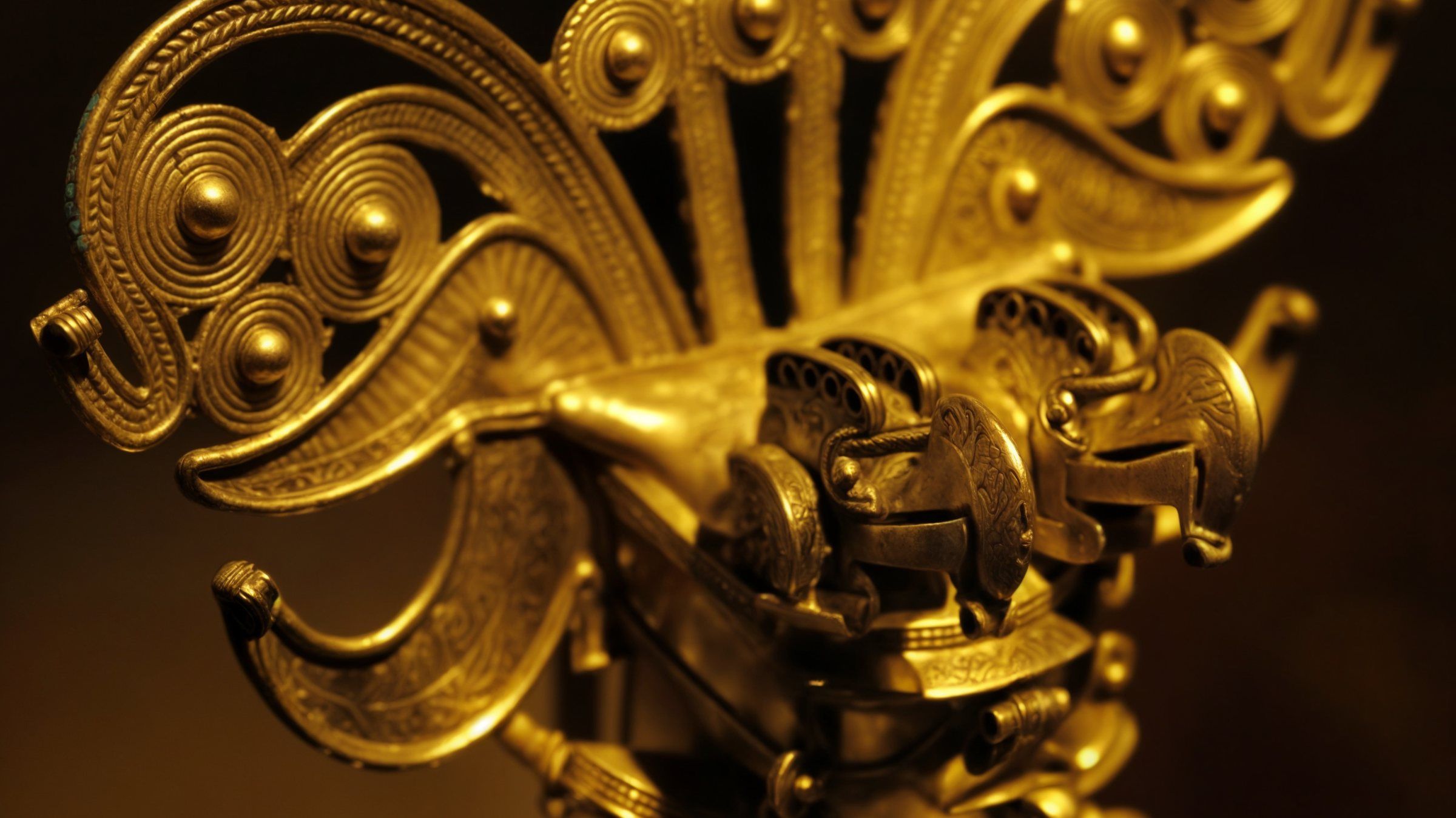
The Banco de la República’s Gold Museum (Museo del Oro) is Colombia’s most visited museum and, in my view, the one sight in Bogotá you shouldn’t skip: it holds one of the world’s largest collections of pre-Columbian goldwork, with tens of thousands of gold pieces and thousands of objects in ceramics, stone and textiles. You need about 2 hours, foreign visitors pay 21,000 pesos and Sundays are free. Here are the opening hours, the rooms not to miss and tips for avoiding the crowds.
Opening hours and tickets
| Useful information | |
|---|---|
| Opening hours | Tuesday to Saturday 9 am-7 pm (last entry 6 pm); Sundays and public holidays 10 am-5 pm |
| Closed | Mondays, even public holidays, and a few special days (in 2026, for example, Good Friday and 1 May) |
| Foreign visitors | 21,000 pesos |
| Colombians and foreign residents | 10,000 pesos |
| Sundays | free for everyone |
| Also free | children under 12 and adults over 62, among other groups |
| Audio guide | 8,000 pesos |
Buy tickets at the box office or on the Banco de la República website (banrepcultural.org), where it’s worth booking a Sunday visit. Hours can change without notice: check the official site before you go.
What to see: the main rooms
The galleries cover several floors and follow a logical thread: from the metal to the objects, from the objects to the people, from the people to the symbols.
- Metalwork (second floor): how pre-Columbian peoples mined and worked gold, with techniques such as lost-wax casting and the gold-copper alloy called tumbaga.
- People and gold in pre-Hispanic Colombia: the country’s different cultures (Muisca, Quimbaya, Tairona, Zenú, Calima and others) and the role of gold in power and religion. This is where you’ll find the Quimbaya poporo, a container for the lime chewed with coca leaves.
- Cosmology and symbolism (third floor): birds, jaguars, bat-men and shamanic figures. It’s the room with the most pieces.
- The offering: the most theatrical room. You enter in the dark, the lights come up slowly and you’re surrounded by hundreds of gold pieces. This is where the El Dorado legend makes sense, with the Muisca Raft, the gold raft depicting the chief’s ritual on Lake Guatavita.
On the fourth floor there’s also an interactive space, El Exploratorio, handy if you’re travelling with children. Labels are in Spanish and English.
How to get there
The museum is on Parque Santander, at the corner of Carrera Sexta and Calle 16, on the edge of La Candelaria: from Plaza de Bolívar it’s about a 10-minute walk along the pedestrianised Carrera Séptima. There’s also a TransMilenio stop called Museo del Oro on the Avenida Jiménez line. From Chapinero or the north, a ride-hailing app is the easiest option.
Guided tour or on your own?
You’ll manage well on your own: the labels are clear and the audio guide (8,000 pesos) adds the story that’s missing. A paid guided tour makes sense if you want to understand pre-Columbian cultures in more depth or you’re travelling as a group; many agencies combine it with a walking tour of La Candelaria.
Fitting it into your day
The Gold Museum pairs well with the rest of La Candelaria: go in at opening time, come out around 11 am and walk on to Plaza de Bolívar and the Botero Museum, which is free and closed on Tuesdays. The full route and a three-day itinerary are in our guide to things to do in Bogotá. If Muisca history grabs you, add a day trip to the Zipaquirá Salt Cathedral or Lake Guatavita.
Mistakes to avoid
- Going on a Monday: it’s closed even when Monday is a public holiday, which is common in Colombia with long weekends (puentes).
- Leaving the offering room until closing time: it’s the best one, so give it at least 20 minutes.
- Choosing the free Sunday without booking: the queues are long.
- Walking downtown with your phone out: there are many snatch thefts around Parque Santander and on Carrera Séptima. Tips are in our guide to safety in Colombia.
FAQ
How much is the Gold Museum in Bogotá?
Foreign visitors pay 21,000 pesos from Tuesday to Saturday; Colombians and foreign residents pay 10,000 pesos. On Sundays entry is free for everyone.
When is the Gold Museum open?
Tuesday to Saturday 9 am-7 pm, with last entry at 6 pm; Sundays and public holidays 10 am-5 pm. It’s closed on Mondays, even public holidays.
How long do you need at the Gold Museum?
About two hours to see all the rooms calmly, including the offering room. In an hour and a half you’ll see the highlights.
What is the Muisca Raft?
It’s a small gold raft made by the Muisca that depicts the ritual in which the new chief, covered in gold dust, offered precious objects in Lake Guatavita: the ritual behind the El Dorado legend.
Is the Gold Museum in English?
Yes, the labels are in Spanish and English. You can also rent an audio guide for 8,000 pesos: ask at the ticket office which languages are available.
Some links are affiliate links: if you buy through them I earn a small commission, at no extra cost to you. How it works
More on Bogotá
Central Andes
Bogotá
Bogotá on your own: how many days you need, where to stay, the Gold Museum and Monserrate with prices, TransMilenio, a trip to Zipaquirá and altitude tips.
Things to do
Things to do in Bogotá
Things to do in Bogotá: La Candelaria, the Gold Museum, Botero Museum, Monserrate, Usaquén and the Ciclovía, with opening hours, ticket prices and a 3-day plan.
Usaquén
Usaquén: the Sunday market and what to do
Usaquén in Bogotá: the weekend flea market and its hours, how to get there from downtown, what to see, where to eat and whether it's worth staying in the area.