Place · Caribbean coast
Rosario Islands
Rosario Islands from Cartagena: boat tours, fees and mandatory insurance, the islands or Playa Blanca, glowing plankton, where to stay and what it costs.
In this guide
- What the Rosario Islands are
- Rosario Islands or Playa Blanca?
- How to get there from Cartagena
- Fees and mandatory insurance
- The classic day trip: what to expect
- Things to do on the Rosario Islands
- Where to stay on the Rosario Islands
- How much a Rosario Islands trip costs
- When to go
- Mistakes to avoid
- The other archipelago: San Bernardo
- Frequently asked questions
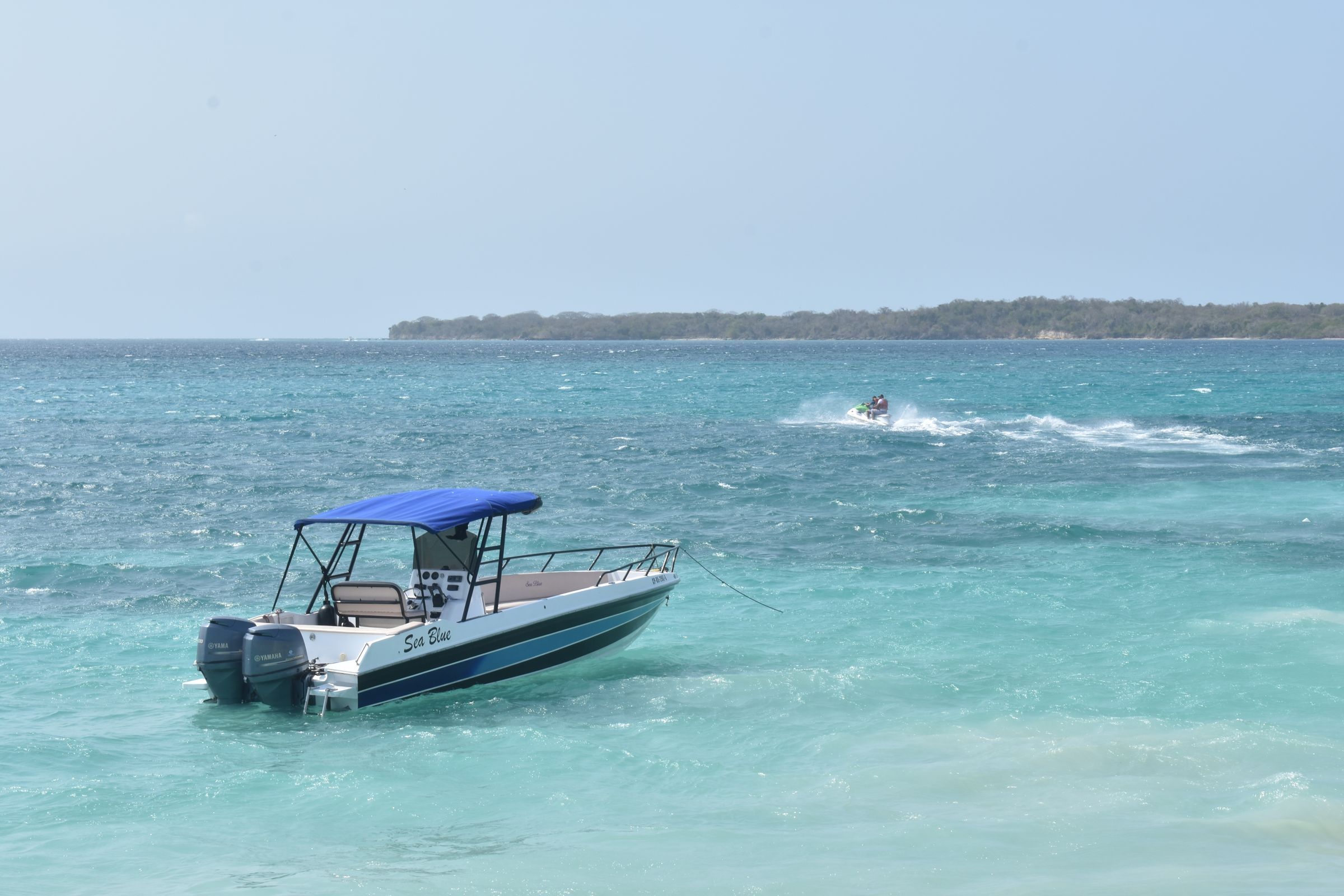
The Rosario Islands (Islas del Rosario) are Cartagena’s sea: an archipelago of small coral islands with clear water, mangroves and reefs, 45-55 minutes by speedboat from the city. Almost everyone visits on a day trip that leaves Muelle de la Bodeguita in the morning and returns in the afternoon, often with a stop at Playa Blanca on the island of Barú. The islands are beautiful, but they’re not the deserted paradise of the photos: many are private, the beaches are small and on holidays it gets crowded. Here’s how to choose a tour, what it really costs with fees and insurance, what to do and where to stay if you want to spend a night.
What the Rosario Islands are
The Rosario Islands are an archipelago of around thirty islands and islets (sources count between 27 and 30) south-west of Cartagena, in the department of Bolívar. They’re part of the Corales del Rosario y San Bernardo National Natural Park, a marine park protected for its coral reefs, seagrass beds and mangroves. It’s one of the most visited parks in Colombia: in 2025 it received over 1.2 million visitors.
The largest island is Isla Grande, with a small Afro-Colombian community, inland lagoons, eco-hotels and trails. Many of the other islands have private villas or a single hotel. Next to the archipelago is Barú, an island linked to the mainland by a bridge, home to Playa Blanca, Playa Tranquila, Agua Azul and the Cholón lagoon. Tours sold as “Rosario Islands” almost always combine the two areas.
Rosario Islands or Playa Blanca?
It’s the question everyone asks. It depends on what you’re after:
| Rosario Islands | Playa Blanca (Barú) | |
|---|---|---|
| Beach | small beaches, often belonging to hotels or beach clubs | long white-sand beach |
| Water | clear, great for snorkelling | turquoise, but with lots of boats |
| Crowds | few, if you choose the right island | many, with constant vendors |
| Getting there | by boat only | by boat, or by car and bus over the bridge |
| Best for | snorkelling, relaxing, a night in an eco-hotel | a cheap beach day |
In my view, if you have one beach day it’s better to take an islands tour with a reliable operator, with at most a short stop at Playa Blanca. A whole day at Playa Blanca only makes sense if you want to spend little or you’re going by road.
How to get there from Cartagena
Tourist departures to the islands leave from Muelle de la Bodeguita, the pier near the Torre del Reloj at the entrance to the old town. It’s the departure point authorised by the maritime authority (Dimar) for passenger boats to the islands.
- Shared speedboat tour: the most common option. Boats leave between 7:30 and 8:30 am, the crossing takes 45-55 minutes and you’re back between 3 and 4:30 pm. The price usually includes the boat, lunch and one or more stops.
- Day pass at a beach club or hotel (pasadía): a direct boat to a single place, with a sun lounger, lunch and sometimes drinks. It costs more, but it’s the most relaxing day.
- Private boat: you choose the stops and times. It’s much more expensive and only worth it for a group.
- By road, for Barú only: Playa Blanca can be reached by car or on a bus tour in about an hour, crossing the bridge over the Canal del Dique. For the islands themselves you still need a boat.
On the day, get to the pier at least 30 minutes before departure: you need to check in with the operator, pay the fees at the counter and show your insurance. Life jackets are compulsory on the boat.
Fees and mandatory insurance
On top of the tour price there are almost always a few items you pay separately, in cash:
| Item | Indicative price |
|---|---|
| Port tax and park entry | 26,000-34,000 pesos, depending on the source and operator |
| Mandatory insurance | 8,800 pesos per person |
| San Martín de Pajarales Oceanarium (optional) | about 38,000-40,000 pesos |
The mandatory accident insurance is required by Resolution 273 of 2024 for all visitors, Colombian and foreign, who enter the park or go ashore on Barú, including Playa Blanca and Cholón. It costs 8,800 pesos and is paid to the authorised insurer, not to the park: it’s usually sold by the tour operator or at the pier. In 2026 National Parks, the police and Cartagena’s tourism office carried out checks at Playa Blanca and on the islands: without it you won’t be allowed ashore.
The classic day trip: what to expect
The “islands tour” sold all over the city almost always follows this pattern:
- 8-9 am – departure from Muelle de la Bodeguita and crossing, with a scenic loop past the islands and private villas.
- Mid-morning – stop at the Oceanarium (separate ticket) or at an island for snorkelling.
- Lunch – on Barú or an island: usually fried fish, coconut rice and patacones, the classic dishes of coastal Colombian food.
- Afternoon – a few hours on the beach, often at Playa Blanca.
- 3-4:30 pm – return to Cartagena.
The “5 islands” promised by street sellers are often seen from the boat, without getting off. The actual beach time is 2-3 hours. If you want more sea and less boat, choose a single-island tour or a day pass.
Things to do on the Rosario Islands
- Snorkelling: the reefs around the islands are the best reason to go. On calm days visibility reaches 10-20 metres. Some stretches of coral are damaged, but there’s no shortage of tropical fish.
- San Martín de Pajarales Oceanarium: an open-air aquarium on an islet, with sharks, turtles and dolphins. It’s a stop on many tours; if you’re not interested, you can stay on the beach.
- Glowing plankton: at night, in some lagoons on Isla Grande and Barú, the plankton lights up when you move the water. You can only see it if you stay on the islands or join a dedicated evening tour; it’s most impressive on moonless nights.
- Cholón: a lagoon on Barú where dozens of boats anchor with loud music. It’s a party, noisy and crowded, especially at weekends: fun if that’s what you want, best avoided if you’re after peace and quiet.
- Kayaking through the mangroves and walks on Isla Grande, organised by the eco-hotels.
Where to stay on the Rosario Islands
Staying a night is the best way to see the islands without the tour groups. There are three main areas:
| Area | What you’ll find | Best for |
|---|---|---|
| Isla Grande | simple eco-hotels and hostels, a local community, the plankton lagoon; the cheapest places start at about 120,000 pesos a night | nature, plankton, low to mid budget |
| Barú | from basic cabañas at Playa Blanca to beachfront hotels and resorts | a long beach, travellers arriving by road |
| Private islands | a single hotel on the island, with boat transfer included | couples and total relaxation, high budget |
Services on the islands are limited: in many places fresh water and electricity are scarce, Wi-Fi is weak and you often pay in cash. Bring everything you need from Cartagena and check reviews to see how the boat transfer works.
How much a Rosario Islands trip costs
| Item | Indicative price |
|---|---|
| Shared speedboat tour with lunch | 120,000-300,000 pesos and up |
| Bus tour to Playa Blanca with lunch | 80,000-120,000 pesos |
| Port tax and park entry | 26,000-34,000 pesos |
| Mandatory insurance | 8,800 pesos |
| Oceanarium | about 38,000-40,000 pesos |
| Night in a simple eco-hotel on Isla Grande | from about 120,000 pesos |
For a day trip with a mid-range tour, budget about 170,000-350,000 pesos per person including the tour, fees, insurance and a few drinks. Bring enough cash: there are no ATMs on the islands. You’ll find tips on withdrawing money in the guide to money in Colombia.
When to go
The sunniest period is December to April, the dry season on the Caribbean coast. During these months, though, the trade winds blow and the sea can be rough, especially in the morning: the boat ride is often bumpy and you’ll arrive wet. From May to November there’s more rain, especially in October and November, but many days are still fine for the beach. Departures can be suspended by the port authorities in bad weather. To compare other regions, read when to go to Colombia.
If you can, avoid weekends and Colombian holidays (mid-December to mid-January, Holy Week, mid-June to July): Playa Blanca and Cholón are packed and prices go up.
Mistakes to avoid
- Buying the tour from street sellers in the old town: rock-bottom prices end up high once fees, lunch and excluded entries are added. Choose an operator with verified reviews.
- Leaving without insurance or cash: without insurance you can’t go ashore, and fees, the Oceanarium and drinks are paid in cash.
- Sitting at the front if you have back problems or get seasick: the front of the boat bangs harder on the waves. Sit towards the back.
- Not protecting your phone: bring a waterproof pouch, because spray on the boat is guaranteed.
- Ordering fish or lobster without asking the price: on Barú and at Cholón prices by weight can get very high. Always ask for the total first.
- Accepting beach “gifts”: massages, oysters or braids offered as a “taste” end up on the bill. A firm “no, gracias” is enough.
- Using regular sunscreen: protect the reef with an oxybenzone-free sunscreen and don’t touch the coral when snorkelling.
The other archipelago: San Bernardo
Further south, in the same national park, is the San Bernardo archipelago, with islands such as Múcura and Tintipán, and Santa Cruz del Islote, one of the most densely populated islands in the world: just over a hectare of land with hundreds of residents. It’s 45-60 minutes by boat from Tolú, or about 2 hours from Cartagena. It’s quieter than the Rosario Islands, but from Cartagena it’s only worth it if you stay at least one night.
Frequently asked questions
How do you get to the Rosario Islands from Cartagena?
By speedboat from Muelle de la Bodeguita, in the old town: the crossing takes 45-55 minutes. Day trips leave between 7:30 and 8:30 am and return in the afternoon.
How much does a Rosario Islands day trip cost?
A shared tour costs from about 120,000 to over 300,000 pesos per person. On top of that, in cash, you pay the port tax and park entry (26,000-34,000 pesos depending on the source) and the mandatory 8,800-peso insurance.
Do you need insurance to visit the Rosario Islands?
Yes. Checks are active in 2026: all visitors entering the park or going ashore on Barú must have the mandatory accident insurance, which costs 8,800 pesos. It’s usually sold by the tour operator; without it you can’t go ashore.
Rosario Islands or Playa Blanca: which is better?
The islands are better for clear water, snorkelling and peace and quiet. Playa Blanca has a longer beach, but it’s very crowded and full of vendors. Many tours combine the two.
Can you stay overnight on the Rosario Islands?
Yes, mainly on Isla Grande, with simple eco-hotels and hostels, and on Barú. Staying a night lets you see the glowing plankton and enjoy the islands without the day-trip crowds.
Some links are affiliate links: if you buy through them I earn a small commission, at no extra cost to you. How it works
Nearby and worth combining
Caribbean coast
Cartagena de Indias
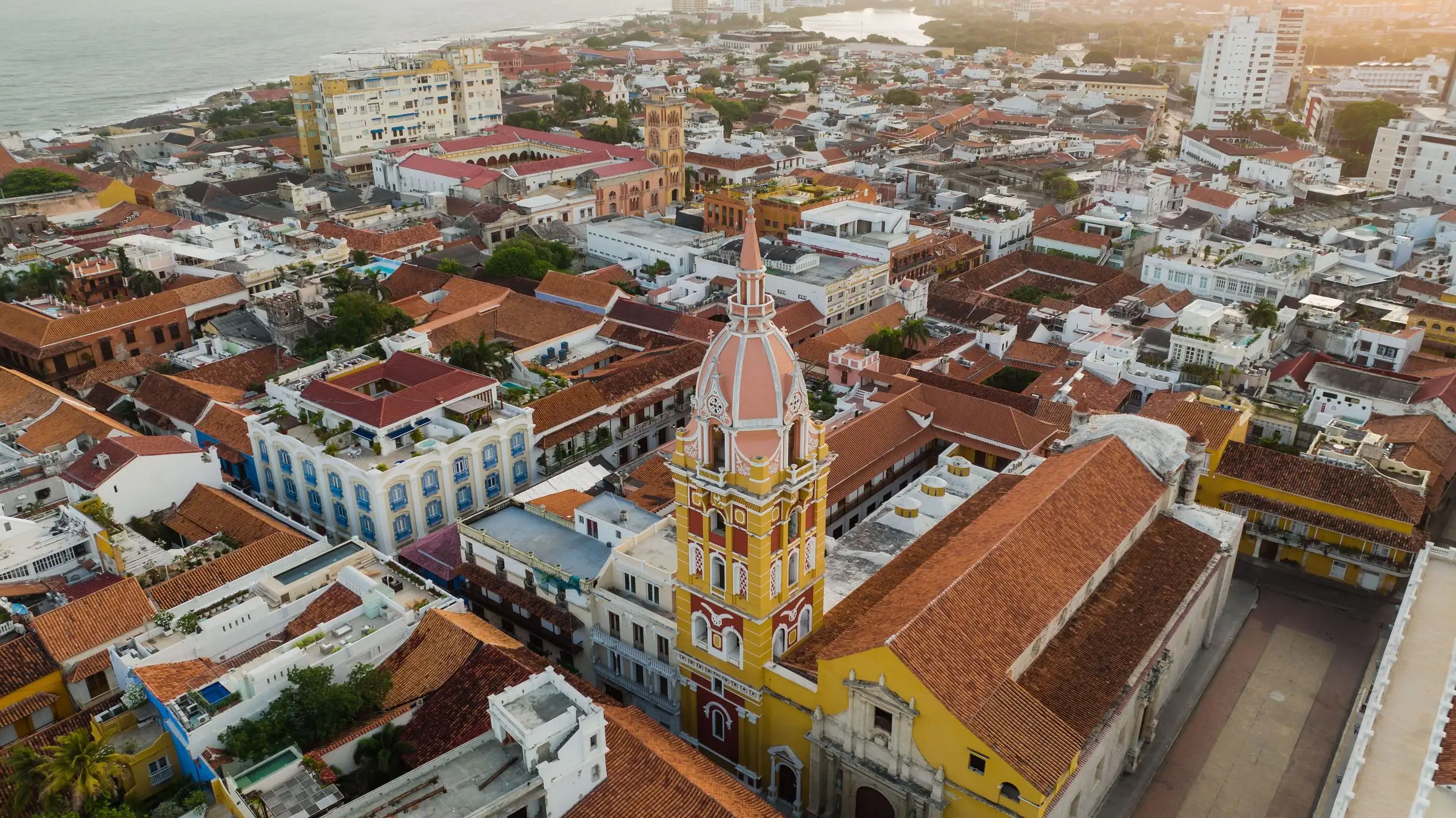
Plan Cartagena de Indias yourself: getting there, which area to stay in, what to see, how many days you need and what it costs, with practical tips.