Money & payments
Money in Colombia: cash, cards and tipping
Money in Colombia: pesos, ATM fees and limits, cards, cash, exchange, tipping and how much a day of travel costs, with tips to spend less.
In this guide
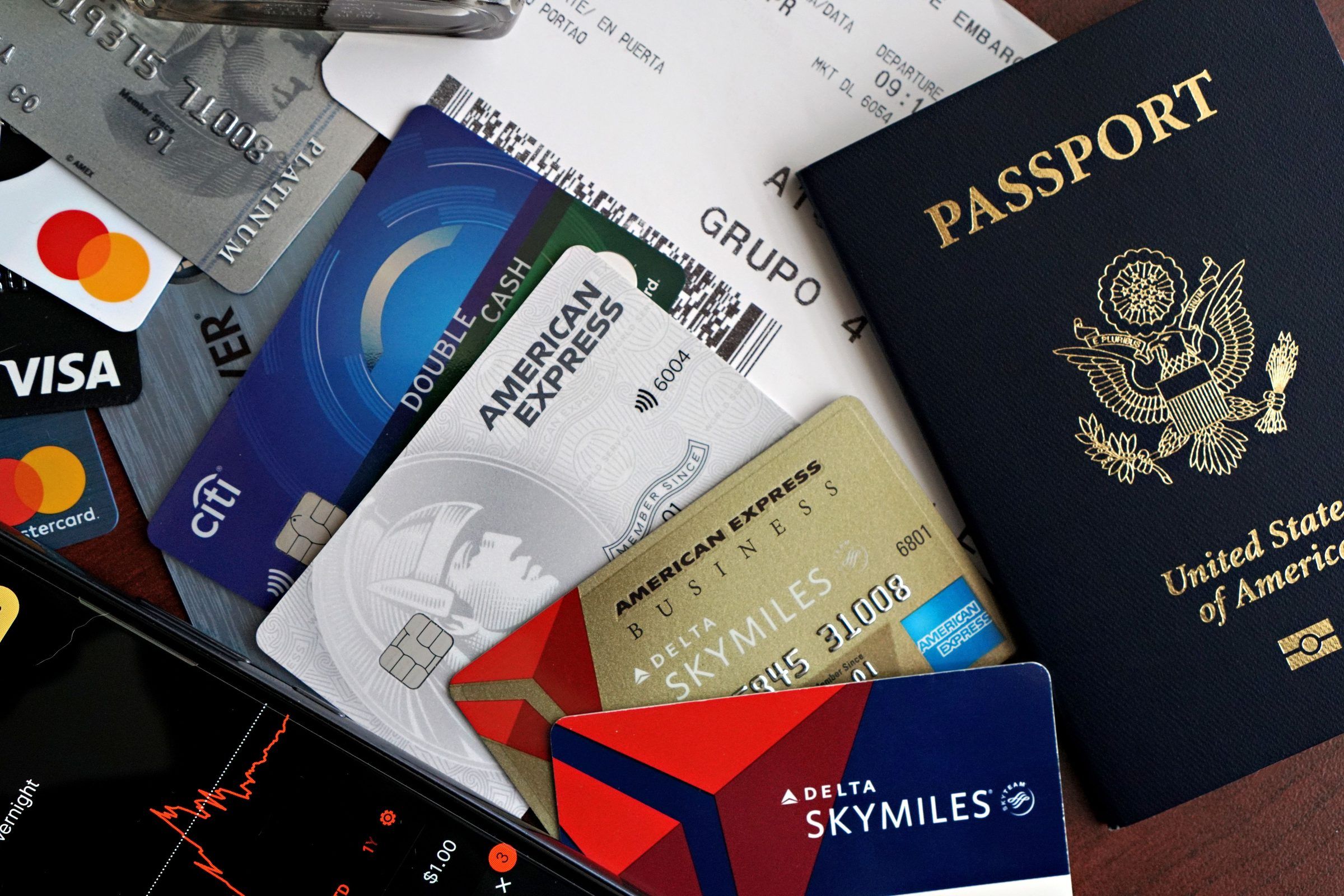
Colombia uses the Colombian peso (COP), and the easiest way to handle money is to combine a card for hotels, restaurants and supermarkets with cash from ATMs for taxis, markets, buses and small towns. US dollars and euros aren’t used for everyday payments. The biggest avoidable costs are ATM fees and your own bank’s exchange charges: here’s how to keep them down, what a day of travel costs and how tipping works.
The Colombian peso: notes and prices
Notes come in 2,000, 5,000, 10,000, 20,000, 50,000 and 100,000 pesos; coins from 50 to 1,000 pesos. Prices are written with a $ sign, the same as the dollar, but they mean pesos, and Colombians use a full stop for thousands: $25.000 is twenty-five thousand pesos. Menus often shorten prices to 25 or 25 mil.
In everyday speech Colombians also say luca for a thousand pesos: “son diez lucas” means 10,000 pesos. The exchange rate moves a lot, so check the current rate before you go and memorise what 10,000 and 100,000 pesos are worth, so you can read prices at a glance.
How much does it cost to travel in Colombia?
Colombia is cheaper than the UK or the US, but it isn’t rock-bottom: Cartagena and the islands are the most expensive places, the Coffee Region and the Andean towns the best value. These are rough prices that vary a lot between cities and seasons:
| Item | Rough price |
|---|---|
| Hostel dorm bed | 40,000-90,000 pesos a night |
| Double room in a mid-range hotel | 180,000-400,000 pesos a night |
| Menú del día or almuerzo corriente (set lunch) | 15,000-30,000 pesos |
| Dinner at a mid-range restaurant | 50,000-100,000 pesos per person |
| Tinto (black coffee) at a café | 1,500-4,000 pesos |
| Medellín metro ride | about 4,400 pesos |
| City ride by app or taxi | 10,000-25,000 pesos |
And a rough daily budget per person, excluding domestic flights:
- Backpacker (hostels, set lunches, buses): about 150,000-250,000 pesos.
- Mid-range (simple hotel in a double room, restaurants, a few tours): about 300,000-500,000 pesos.
- Comfortable (boutique hotels, private tours, nice dinners): 600,000 pesos and up.
Using ATMs: fees and limits
Withdrawing from an ATM (cajero) is the easiest way to get pesos. There are two costs to factor in:
- the Colombian bank’s fee, which for foreign cards runs roughly 15,000 to 30,000 pesos per withdrawal depending on the bank and machine: it shows on screen before you confirm, so you can cancel if it looks too high;
- your own bank’s fees, for withdrawing abroad and for currency conversion.
The limit per withdrawal also varies widely: from about 300,000 to 2,000,000 pesos per transaction, depending on the bank and your card. Since the fee is fixed, it pays to make a few large withdrawals. If you need more cash, you can repeat the withdrawal straight away and pay the fee again.
Use machines inside banks, shopping centres or supermarkets, in daylight, and cover the keypad when you type your PIN. More anti-scam tips are in our guide to safety in Colombia.
Paying by card
Visa and Mastercard are accepted almost everywhere in cities: hotels, restaurants, supermarkets, shops and many tour agencies. American Express is much less common. Contactless, including phone payments, is widespread in the big cities.
- When you pay by credit card the cashier may ask “¿A cuántas cuotas?”: in Colombia purchases can be split into instalments. Answer “una”, a single payment.
- You’ll often be asked for an ID number: give your passport number.
- Many small shops ask for payment through local apps (Nequi, Daviplata or Bancolombia transfers): as a visitor you won’t be able to use them, so carry cash.
- Tell your bank you’re travelling, if it asks, and turn on app notifications so you see every charge straight away.
If your card charges foreign exchange fees, consider a multi-currency card such as Wise or Revolut before you go: they’re managed from an app, show the exchange rate applied and let you pay in pesos, usually for less than traditional cards. Check your plan’s limits and fees, especially for ATM withdrawals.
Cash: how much to carry and where to exchange
Always carry some cash in small notes: taxi drivers, street vendors and small shops often can’t change a 100,000-peso note. Before heading to places like Tayrona National Park, Minca, Palomino or mountain villages, withdraw cash in the city: ATMs are scarce there and cards don’t always work.
There’s no need to bring lots of dollars, pounds or euros. If you do, change them at an authorised casa de cambio (airport rates are usually worse) and bring your passport; foreign notes must be in perfect condition, with no marks. Never change money in the street.
For everyday spending, carry cash for 2-3 days at a time and leave the rest in your accommodation’s safe with your second card.
Tipping in Colombia
| Situation | What people do |
|---|---|
| Restaurant | the bill suggests a propina voluntaria of 10%; the waiter will ask if you want it included. It’s normal to pay it for good service, but by law it’s optional |
| Bars and cafés | usually nothing, or round up |
| Taxis | no tip, at most round up |
| Tour guides and drivers | appreciated, in line with the length and quality of the service |
| Hotels | a few thousand pesos for porters or housekeeping |
If you’re from the US, note that Colombia doesn’t have a 15-20% tipping culture: the 10% on the bill is the norm.
Mistakes to avoid
- Accepting conversion into your home currency at an ATM or card machine: always choose pesos.
- Making lots of small withdrawals: the fee is fixed, so each withdrawal costs the same.
- Arriving in a village or national park without cash: withdraw beforehand, in the city.
- Carrying all your cards in one wallet: bring two cards on different networks and keep them separate.
- Not checking large notes: fake 50,000 and 100,000-peso notes do circulate; check the watermark and security thread.
- Changing money in the street: tempting rates, fake or missing notes.
Frequently asked questions
Should I bring US dollars or euros to Colombia?
You don’t need to: the easiest option is to withdraw pesos from ATMs with a card that has no foreign transaction fees. If you bring cash, change it at an authorised casa de cambio, never in the street.
How much are ATM fees in Colombia?
Colombian banks charge foreign cards a fixed fee of roughly 15,000 to 30,000 pesos per withdrawal, plus any fees from your own bank. The amount appears on screen before you confirm.
Are cards widely accepted in Colombia?
Yes, Visa and Mastercard are accepted in cities, hotels, restaurants and supermarkets, often contactless. You’ll need cash in small towns, markets, on buses and in many taxis.
How much should I tip in Colombia?
Restaurant bills suggest an optional 10% propina voluntaria, which is normal to pay for good service. You don’t tip taxi drivers.
How much money do I need per day in Colombia?
Roughly 150,000-250,000 pesos per person a day on a backpacker budget and 300,000-500,000 pesos on a mid-range trip, excluding domestic flights. Cartagena and the islands are the most expensive places.
Some links are affiliate links: if you buy through them I earn a small commission, at no extra cost to you. How it works
More practical guides
Practical info
Colombia time zone: what time it is and the difference with the UK and US
Colombia's time zone explained: UTC-5 all year with no daylight saving, the difference with London and US cities, sunrise and sunset times and beating jet lag.
Flights
Flights to Colombia: nonstops, connections, airports and prices
Flights to Colombia from the UK and the US: nonstop routes, the easiest connections, which airport to fly into, when to book and what you need at check-in.
Getting around
Getting around Colombia
How to get around Colombia: domestic flights, buses, shuttles, taxis, apps and city transport, with travel times between cities, rough prices and tips.