SIM & eSIM
SIM cards, eSIMs and internet in Colombia
Internet in Colombia: travel eSIM or local SIM, carriers and rough prices, IMEI registration, roaming from the UK and US, coverage and Wi-Fi. What to choose.
In this guide
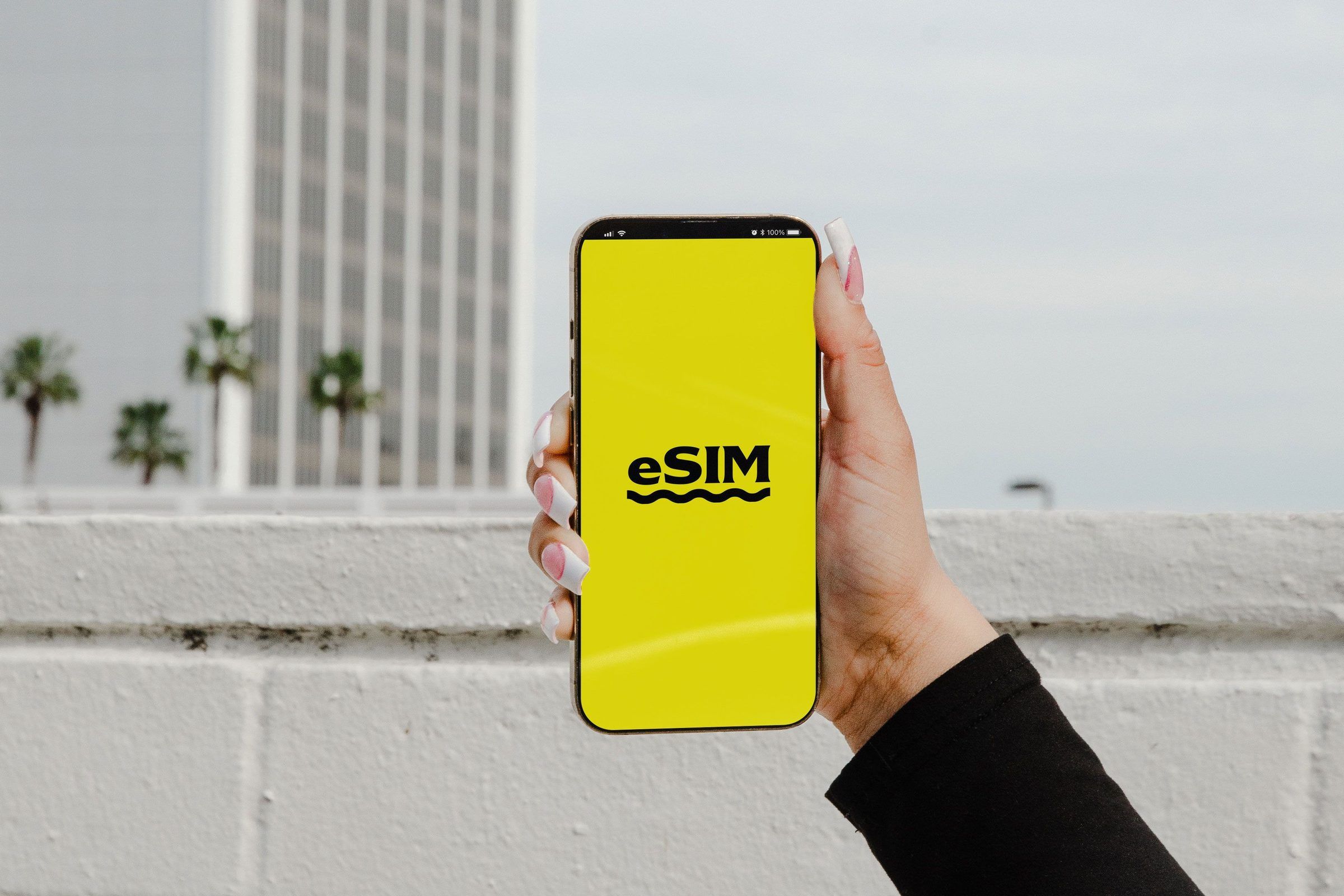
For a trip to Colombia of a few weeks, the simplest option is a travel eSIM: you buy and install it at home, and as soon as you land you’re online, with no shop queues or registration. If you’re staying longer or want to spend as little as possible, a local prepaid SIM is cheaper, but you’ll need to register your phone. Having data all the time is close to essential here: you’ll need maps, ride-hailing apps and above all WhatsApp, which Colombians use for everything, from hotel bookings to tours.
The three options compared
| Option | Pros | Cons | Best for |
|---|---|---|---|
| Travel eSIM | works on arrival, no registration, keep your home number | pricier per GB, usually data only | trips of 1-4 weeks |
| Local prepaid SIM | cheap, a Colombian number for calls and codes | shop visit, passport and IMEI registration | long stays, heavy data users |
| Roaming on your home plan | nothing to set up | can be expensive, depending on your plan | emergencies, short stays |
Roaming from the UK and US
Colombia isn’t covered by the free roaming deals most UK plans offer for Europe, so check your carrier’s rates for Colombia before you go: pay-as-you-go data or daily passes can add up quickly over a two-week trip. In the US, some plans include basic data abroad and the big carriers sell daily international passes, which work for a few days but get expensive on a longer trip. Whatever you choose, turn off data roaming on your home SIM if you’re not using it.
Travel eSIMs: how they work
For most travellers this is the best option:
- Check your phone: it must be eSIM-compatible and unlocked (not tied to a carrier). Almost all recent smartphones are.
- Pick a package based on days and data: for two weeks of maps, WhatsApp and a bit of social media, 10-15 GB is usually enough.
- Install it at home, over Wi-Fi, by scanning the QR code you get by email.
- Switch it on when you arrive: set the eSIM line for mobile data and turn on data roaming for that line only.
Travel eSIMs are usually data only, with no Colombian number: use WhatsApp for calls and messages. The extra advantage is that you don’t need to register your phone in Colombia.
Local SIM cards: carriers and prices
If you’re staying a while, a prepaid SIM (prepago) costs much less per gigabyte. There are three main carriers:
| Carrier | Coverage | Example prepaid offer |
|---|---|---|
| Claro | the widest, including many rural areas | 30-day package with about 12 GB for 22,000-23,000 pesos |
| Movistar | good in cities and tourist areas | package of about 20,000 pesos for 20 days with about 30 GB |
| Tigo | good in cities and tourist areas | tourist offers with unlimited data for 30 days, around 100,000 pesos |
Offers change often and prices are only a guide: ask in store what’s available at the time. Here’s how to do it:
- Go to an official carrier store (there’s one in every shopping centre) with your passport.
- Ask for a prepaid SIM and a paquete de datos (data package); get the line activated before you leave.
- Ask them to register your phone there and then (see below).
- To top up (recargar), use the carrier’s app, supermarkets, pharmacies or corner shops with a “recargas” sign.
Phone registration (IMEI)
In Colombia, phones used with a local SIM must be registered with the carrier: if you put a Colombian SIM in a phone bought abroad, you have about 20 days to register its IMEI number, or the phone may be blocked on Colombian networks. Registration is free and done in carrier stores or online: never pay a middleman.
If you use roaming or a travel eSIM, this rule doesn’t apply. Procedures can change, so double-check when you buy the SIM.
Coverage and Wi-Fi
In the cities and main tourist spots 4G works well. In the mountains, on the Pacific coast, in the Amazon and inside parks such as Tayrona and the Cocora Valley near Salento, signal is weak or non-existent: download offline maps before you go and save your bookings on your phone.
Almost all hotels, hostels and cafés have free Wi-Fi, but speeds vary a lot: if you work remotely, ask before booking. Avoid online banking on public Wi-Fi.
Mistakes to avoid
- Leaving data roaming on with your home SIM: a single day can cost more than an eSIM for the whole trip.
- Buying the eSIM at the last minute at the airport, with no Wi-Fi to install it.
- Using a local SIM without registering your phone: after about three weeks it may be blocked.
- Relying on mobile data in parks and mountains: keep maps and tickets offline.
- Losing your phone without a backup: if it’s stolen, you’ll need photos of your documents in your email too. See our guide to safety in Colombia.
Frequently asked questions
Is an eSIM or a local SIM better in Colombia?
For a trip of a few weeks a travel eSIM is the easiest choice: it works on arrival and you don’t need to register your phone. A local SIM makes sense for long stays or heavy data use, because it’s cheaper per gigabyte.
Does my UK or US phone plan work in Colombia?
Usually yes, but roaming rates vary a lot by carrier and plan, and Colombia is rarely included in free roaming bundles. Check your carrier’s Colombia rates before you go, or use a travel eSIM.
Which carrier has the best coverage in Colombia?
Claro has the widest coverage, including outside the cities; Movistar and Tigo work well in cities and tourist areas.
Do I need to register my phone in Colombia?
Only if you use a Colombian SIM: then the IMEI must be registered with the carrier for free within about 20 days. With a travel eSIM or roaming you don’t need to.
How much data do I need for two weeks in Colombia?
For maps, WhatsApp, ride-hailing apps and some social media, 10-15 GB is usually enough. If you make video calls or work from your phone, choose a bigger or unlimited package.
Some links are affiliate links: if you buy through them I earn a small commission, at no extra cost to you. How it works
More practical guides

Practical info
Colombia time zone: what time it is and the difference with the UK and US
Colombia's time zone explained: UTC-5 all year with no daylight saving, the difference with London and US cities, sunrise and sunset times and beating jet lag.
Flights
Flights to Colombia: nonstops, connections, airports and prices
Flights to Colombia from the UK and the US: nonstop routes, the easiest connections, which airport to fly into, when to book and what you need at check-in.
Getting around
Getting around Colombia
How to get around Colombia: domestic flights, buses, shuttles, taxis, apps and city transport, with travel times between cities, rough prices and tips.