Place · Caribbean coast
Palomino
Palomino, Colombia: float a jungle river from the Sierra Nevada down to the Caribbean. Tubing prices, buses from Santa Marta, safe swimming and where to stay.
In this guide
- Getting your bearings: village, beach and river
- Things to do in Palomino
- Is Palomino safe? Travel advice and the Troncal del Caribe
- How to get to Palomino
- Getting around Palomino
- Where to stay in Palomino: beach, village or river
- How many days you need, with an itinerary
- Best time to visit Palomino
- Practical tips: cash, power, internet, mosquitoes
- How much Palomino costs
- Mistakes to avoid
- FAQ
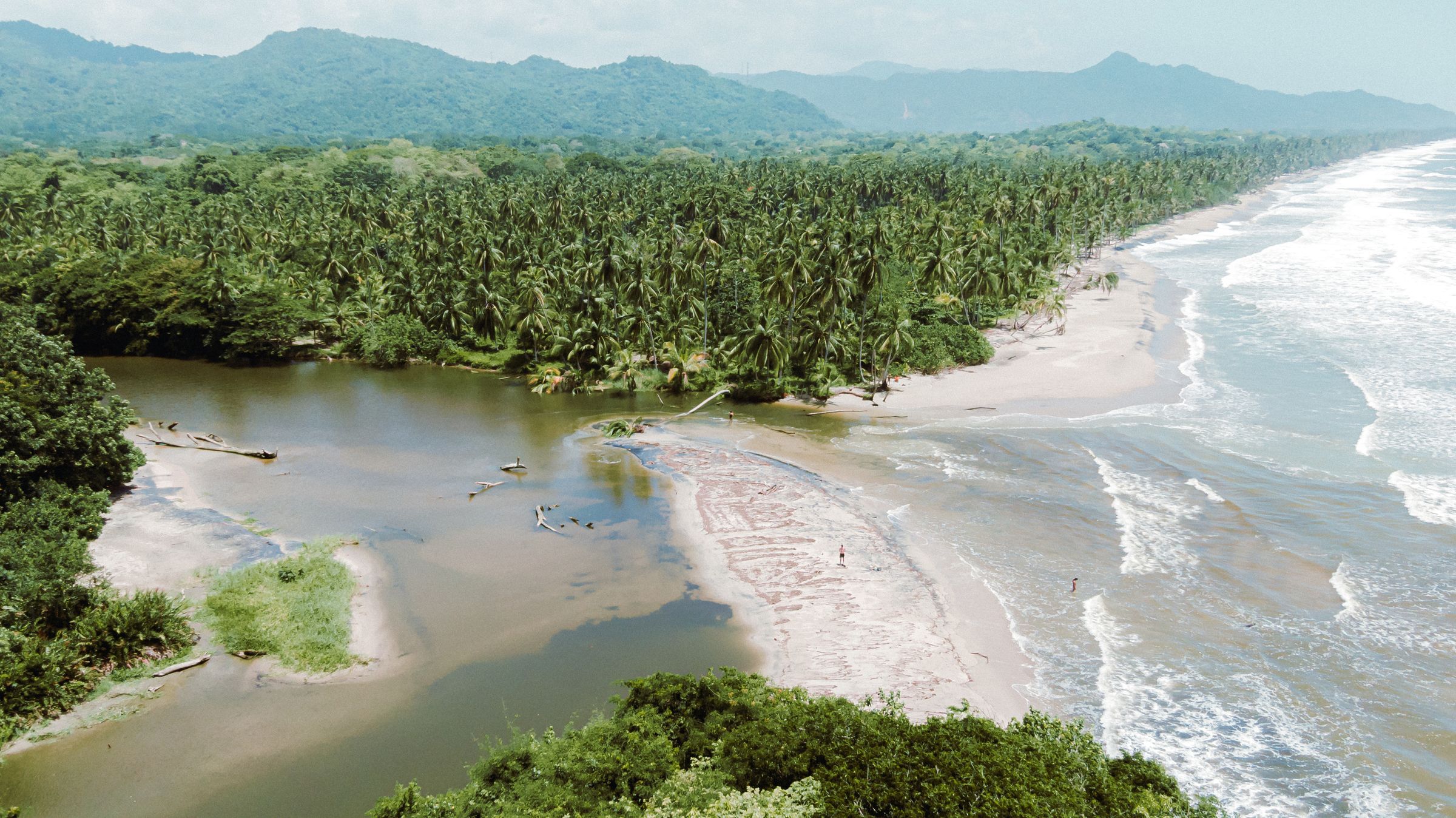
Palomino is a village in La Guajira, about 70 km (43 miles) east of Santa Marta, where the Palomino river comes out of the Sierra Nevada rainforest and runs into the Caribbean. People come to float down the river on an inner tube all the way to the beach, for a long, almost wild beach backed by mountains, and for a few slow days after Santa Marta and Tayrona. I’d give it two nights: one is barely enough for the tubing. Below you’ll find how to get there, what it costs, where it’s safe to swim, where to stay and what UK and US travel advice says about the area.
Getting your bearings: village, beach and river
Palomino comes in three parts, and knowing them makes choosing a place to stay much easier. The village has grown up along the Troncal del Caribe, the Santa Marta-Riohacha highway: this is where buses drop you, with shops, cheap places to eat and most of the hostels. From the highway a dirt road of about 1.5 km (a mile, or 15-20 minutes on foot) leads to the beach, lined with hotels, bungalows and hostels with pools. The river runs along the west side of the village and marks the border with Magdalena department: follow it upstream and you’re in the forest and, higher up, in the territory of the Sierra Nevada’s Indigenous peoples.
The beach stretches for nearly 4 km (2.5 miles) between the Palomino and San Salvador river mouths, with no rocks or reef to break the waves, which roll straight in from the open sea. Erosion has eaten into it in recent years: in February 2026 Colombian media showed stretches where the sea had advanced around 60 m (200 ft), with waves hitting beachfront hotels and restaurants. So before booking on the beach, look at recent guest photos, not just the hotel’s own.
You’ll often see Kogui and Arhuaco men and women dressed in white around the village: the river rises in lagoons that are sacred to them. Always ask before taking their photo.
Things to do in Palomino
| What | Time | Rough price |
|---|---|---|
| Tubing on the Palomino river | half a day | 25,000-40,000 pesos to rent, 60,000-120,000 with a guide and transport |
| Beach and sunset at the San Salvador river mouth | 2-3 hours | free |
| Quebrada Valencia waterfalls | half a day | bus plus a small entrance fee, cash only |
| Tubing with a visit to a Kogui community | 5-8 hours | sold online at around US$70-80 per person |
| Surfing, yoga, birdwatching | 1 hour to a full day | ask locally |
Tubing on the Palomino river
Tubing is the reason almost everyone comes to Palomino: you sit in a big inner tube and let the current carry you down the river, between forest and mountains, to the beach. Here’s how it works:
- Rent the gear: in the village, along the highway, people rent out tubes and life jackets. A Colombian guide updated in 2026 puts the rental at 25,000-40,000 pesos; older sources mention 5,000-10,000 pesos for the tube alone.
- Walk up: a moto-taxi takes you to the trailhead, then you walk 30-45 minutes through the forest to the put-in, tube on your shoulder.
- Float down: you spend 1-2 hours on the water, depending on the river level, down to the river mouth area.
With a local guide (a package with transport, gear and someone to go with you) prices run from 60,000-65,000 pesos with Palomino operators to 80,000-120,000 for fuller packages. I think a guide is worth it on your first time or when the river is low or high: they know the right put-in, the stretches to walk and where to get out before the sea. Go in the morning: the light is better and, in the rainy season, you avoid the afternoon storms.
The river has most water from May to December (some guides say until January); from February to April it can be low enough that you’ll have to walk some stretches. After heavy rain in the mountains the level can rise suddenly, even with sunshine over Palomino: on those days, skip it. Get out before the river mouth, where the current meets the waves: it’s the most dangerous spot. Bring a dry bag for your phone and money, sunscreen and shoes that can get wet; leave everything else at your lodging.
The upper river is Indigenous territory: don’t go beyond the usual put-in without a guide, and don’t walk into villages uninvited.
The beach: where to swim and where not to
Palomino’s sea is beautiful to look at but hard to swim in: big waves, undertow and rip currents that pull you out. Several tourists have drowned here in recent years, strong swimmers included, and many stretches have no lifeguards or warning signs. The rules I’d follow:
- Only go in where you can stand, and stay close to shore, especially from December to March, when the trade winds make the sea rougher.
- Never at the river mouths (Palomino and San Salvador), where fresh water creates unpredictable currents.
- Never after dark, alone or after drinking.
- For a proper swim, use the river in its calm stretches, away from the mouth, or your lodging’s pool.
- Ask your lodging about the sea every morning: conditions change from day to day.
For a walk, head east along the sand to the San Salvador river mouth (about 50 minutes): it’s the place for sunset. There’s nothing there, so bring water.
Quebrada Valencia and other day trips
The Quebrada Valencia waterfalls are a series of cascades and freshwater pools in the forest, in Magdalena, along the highway between Palomino and Tayrona. Take a bus towards Santa Marta, ask to be dropped at the entrance, then walk about 25-30 minutes to the pools. You pay the entrance fee in cash at the start of the trail: I couldn’t find a reliable recent price, so bring small notes. It’s packed with local families at weekends: go on a weekday morning. It fits nicely into your trip back towards Santa Marta or a night near Tayrona National Park.
Other ideas:
- Surfing: there are waves all year, bigger from November to March. It’s an exposed beach with currents, so only take lessons with a local instructor; hostels can put you in touch.
- Yoga: several places to stay run classes and multi-day retreats; you book drop-in classes there.
- Birdwatching: at dawn along the river and in lodge gardens you’ll already see plenty of birds. For guided trips to the Don Diego river, with a boat down to its mouth, there are tours from Palomino.
Visiting Kogui and Arhuaco communities
Several agencies sell tubing combined with a visit to Seiviaka (also spelled Seywiaka), described as a Kogui community: it usually includes the moto-taxi, entry, guide and gear, over 5-8 hours. Before booking, ask who runs the visit, who leads the group and how much goes to the community: some tours are run by outside agencies, and it shows. Reputable operators are registered with Colombia’s national tourism register (Registro Nacional de Turismo, RNT) and will give you their number.
The rules on the visit are simple: ask before photographing people and homes, don’t enter sacred sites, and don’t hand sweets or money to children. In some communities a spiritual leader, the mamo, opens the visit with a ritual asking permission: it’s part of the experience, not a show.
Is Palomino safe? Travel advice and the Troncal del Caribe
Palomino is a busy traveller stop and the village itself feels relaxed, but it sits in an area that had a difficult 2026, especially on the road in. Here’s what official sources say:
- The UK Foreign Office (FCDO), in its advice last updated on 30 October 2026, doesn’t advise against travel to La Guajira or Magdalena, except within 5 km (3 miles) of the Venezuelan border, far from Palomino.
- The US State Department keeps Colombia as a whole at Level 3: Reconsider Travel (advisory of 31 March 2026). Its Level 4 “Do Not Travel” areas are a few departments and the Venezuela border region; La Guajira and Magdalena aren’t among the departments listed.
- Colombia’s human rights ombudsman, the Defensoría del Pueblo, has issued warnings about the ACSN armed group (Autodefensas Conquistadoras de la Sierra Nevada) and its fight with the Clan del Golfo in several Sierra Nevada municipalities, including Santa Marta, Riohacha and Dibulla, the municipality Palomino belongs to.
In 2026 the Troncal del Caribe between Santa Marta and Palomino was closed several times. In February and in mid-June, clashes and roadblocks stopped traffic: in June a bus was set on fire near Palomino and hundreds of travellers were stuck in their lodgings between Tayrona and the village. In late September, after a police operation killed one of the ACSN’s leaders, the group announced a 48-hour paro armado (an armed strike), which ended on 25 September: buses were burned in Santa Marta, there were clashes along the road to Palomino and, for a few days, vehicles waited for police escorts. On 23 October fresh fighting between the army and the ACSN around Puerto Nuevo, near the Guachaca bridge and Tayrona, stopped traffic at kilometre 40, on the stretch between the park and Palomino: several drivers turned back, and I couldn’t find any report of how long the closure lasted. Also in February, the bridge over the Mendihuaca river, just past Tayrona, collapsed: since 31 March a temporary single-lane military bridge has carried traffic, so expect short waits.
In practice: travel by day only, ask your lodging about the road the day before you leave, follow local news and keep a spare day before any flight out of Santa Marta. Check both the GOV.UK and State Department pages before you go, and read our guide to safety in Colombia.
How to get to Palomino
The easiest way is the bus from Santa Marta along the Troncal del Caribe: the local buses from the market run all the way to Palomino, and buses heading to Riohacha drop you in the village too.
| From | How and how long | Rough price |
|---|---|---|
| Santa Marta market | local bus, about 2 hours, frequent departures from early morning to late afternoon | 12,000-20,000 pesos depending on the source |
| Santa Marta bus terminal | Riohacha buses (Expreso Almirante Padilla and others), about 1.5-2 hours | about 25,000 pesos |
| Santa Marta airport (SMR) | taxi or transfer, about 1.5 hours | taxi 180,000-240,000 pesos depending on the source |
| Riohacha | bus or colectivo towards Santa Marta, about 1.5 hours | sources, mostly ticket sites, give very different figures |
| Cartagena | minivan to Santa Marta (4-5 hours) then the bus, or a Riohacha-bound bus (5-7 hours) | about 50,000 pesos on the Riohacha bus |
A few more details:
- From Santa Marta market you take the same buses as for Tayrona: say “Palomino” and pay the driver in cash. One company’s last departure is around 6pm, but don’t count on it: leave by mid-afternoon so you arrive in daylight. The same bus stops at Tayrona (El Zaino), 45-60 minutes from Palomino.
- From the airport there’s no direct bus. Take a taxi to Santa Marta market and catch the bus there, or take a taxi all the way: agree the fare before you get in. For three or four people the taxi makes sense.
- From Riohacha, which has flights from Bogotá, Palomino is about 80 km (50 miles) away: an option if flights to Santa Marta are expensive or you’re coming back from a La Guajira tour.
- From Cartagena there are direct minivans to Palomino, but in October 2025 some sources said they had stopped running: check first. The safest plan is a night in Santa Marta and an early bus the next morning.
- From Minca there’s no direct link: take the colectivo down to Santa Marta and the bus from the market. Allow 3-4 hours in total.
Buses drop you on the highway. From there it’s 15-20 minutes on foot to the beach, or a few minutes by moto-taxi.
Getting around Palomino
You get around the village and the beach on foot and by moto-taxi; the bikes wait along the highway and at the start of the beach road. Short rides cost about 3,000-8,000 pesos: agree the price before you get on, especially at night or with luggage. For Quebrada Valencia and Tayrona, use the buses along the highway, which pass all day.
Where to stay in Palomino: beach, village or river
| Area | Pros and cons | Rough price per night |
|---|---|---|
| In the village, on the highway | cheap, buses, shops and restaurants on foot; hot, road noise, 15-20 minutes from the sea | dorm bed 30,000-60,000 pesos, private room from about 80,000 pesos |
| On the beach | the sea on your doorstep, hostels with pools and boutique hotels; pricier, you eat where you sleep, some stretches hit by erosion | from about 150,000 pesos for a simple room to over 500,000 at the best hotels |
| By the river and towards the Sierra | rainforest, quiet, birds, lodges and bungalows; you need a moto-taxi for everything, more mosquitoes | private rooms and bungalows, usually over 150,000 pesos |
My advice: if you’re mainly here for tubing on a budget, stay in the village. If you want to wake up to the sea, choose the beach, but read recent reviews about erosion and check there’s a pool, because swimming in the sea isn’t always possible. The river is for those who want quiet and aren’t in a hurry. Prices jump in Colombian holidays (mid-December to mid-January, Easter week, mid-June to July), so book ahead then. Some beach hostels are built around parties: if you want peace, read the reviews.
How many days you need, with an itinerary
I’d spend two nights in Palomino: the first day to settle in and watch the sunset, the second for tubing, the third for a day trip on the way out. Here’s how I’d plan it:
- Day 1 – Arrive and hit the beach. Morning bus from Santa Marta market, lunch in the village, afternoon on the beach and a walk to the San Salvador river mouth for sunset.
- Day 2 – Tubing. Tubing first thing, then lunch and a lazy afternoon, or a surf or yoga class.
- Day 3 – Quebrada Valencia and onwards. Bus towards Santa Marta with a stop at the waterfalls, or carry on to Riohacha and La Guajira.
Palomino slots neatly into a week on the Caribbean coast: from Santa Marta go up to Minca for a night, then come down and head east along the highway, with a night at Tayrona or El Zaino and two in Palomino. Do Tayrona before Palomino, since it’s on the way. From here you can carry on to Riohacha (about 1.5 hours), the base for 2-3 day tours to Cabo de la Vela and Punta Gallinas.
Best time to visit Palomino
The best time is December to April, the driest months: little rain and clearer skies over the Sierra, although from January to March the wind makes the sea rougher and the river starts to drop. It’s hot all year, with highs of 31-33 °C (88-91 °F). It rains most from September to November, peaking in October, with a shorter wet spell in May and June: the river is full, but there are more mosquitoes and the dirt roads turn to mud. During Colombian holidays and long weekends the village fills up and prices rise.
Practical tips: cash, power, internet, mosquitoes
- Cash: Palomino runs on cash. According to recent guides there’s no reliable ATM in the village; the nearest is in Mingueo, about 20 minutes towards Riohacha, and it often runs dry. Withdraw everything you need in Santa Marta, in small notes: tips on getting cash without big fees are in our guide to money in Colombia. Some lodgings take cards, sometimes with a surcharge.
- Power: blackouts are common, and when the power goes the wifi usually goes with it. Bring a power bank and a torch (flashlight).
- Internet: wifi is slow or missing in many places. If you need to work, book somewhere that guarantees it and keep a Colombian SIM or eSIM with data as a backup.
- Mosquitoes: lots, especially near the river, at dawn and dusk and in the rainy season. Repellent, long sleeves in the evening and a net over the bed.
- Water: don’t drink from the tap; buy bottled water or ask whether your lodging has filtered water for refills.
How much Palomino costs
| Item | Rough price |
|---|---|
| Bus Santa Marta (market) → Palomino | 12,000-20,000 pesos |
| Taxi Santa Marta airport → Palomino | 180,000-240,000 pesos |
| Moto-taxi in the village | 3,000-8,000 pesos |
| Tube and life jacket rental | 25,000-40,000 pesos |
| Tubing with a guide and transport | 60,000-120,000 pesos |
| Dorm bed | 30,000-60,000 pesos |
| Private room in the village | from about 80,000 pesos |
For two nights in a hostel, the bus from Santa Marta, guided tubing and a few moto-taxis, budget around 200,000-300,000 pesos per person, food not included. On the beach, in a private room, the bill climbs fast.
Mistakes to avoid
- Arriving after dark or leaving Santa Marta late in the afternoon: avoid the highway at night, and the last buses aren’t guaranteed.
- Relying on the ATM in Palomino or Mingueo.
- Swimming at the river mouths, after dark or out of your depth.
- Floating all the way into the sea instead of getting out before the mouth, or tubing after heavy rain in the mountains.
- Taking your phone on the tube without a dry bag.
- Booking a beach hotel from its own photos alone: erosion has changed some stretches.
- Buying an “Indigenous” visit without knowing who runs it and how much goes to the community.
- Flying out of Santa Marta the same day you leave Palomino: one roadblock and you miss your flight.
FAQ
How do I get from Santa Marta to Palomino?
Take the local bus from Santa Marta market: about 2 hours along the Troncal del Caribe, for 12,000-20,000 pesos depending on the source. Alternatively, Riohacha-bound buses leave from the bus terminal (about 25,000 pesos), or you can take a taxi.
How much does tubing in Palomino cost?
Renting a tube and life jacket costs 25,000-40,000 pesos; with a guide and transport to the trailhead it’s 60,000-120,000 pesos. Allow half a day: 30-45 minutes on foot and 1-2 hours on the river.
Can you swim in the sea at Palomino?
Only with great care: the sea is open, with big waves and rip currents, and there are accidents every year. Only go in where you can stand, never at the river mouths or after dark, and for a real swim use the river’s calm stretches or your lodging’s pool.
Is Palomino safe to visit?
The village is busy with travellers, but in 2026 the Troncal del Caribe was blocked several times by fighting between the army and armed groups, most recently on 23 October. Travel by day, check the news before you set off and read the GOV.UK and US State Department advice.
Palomino or Tayrona National Park?
They do different things: Tayrona has the prettier beaches among boulders and forest, but with tickets, opening hours and closures; Palomino is a place to stay a few days, with the river and a free beach that’s less suited to swimming. They’re an hour apart by bus, so if you can, do both.
Some links are affiliate links: if you buy through them I earn a small commission, at no extra cost to you. How it works
Nearby and worth combining
Caribbean coast
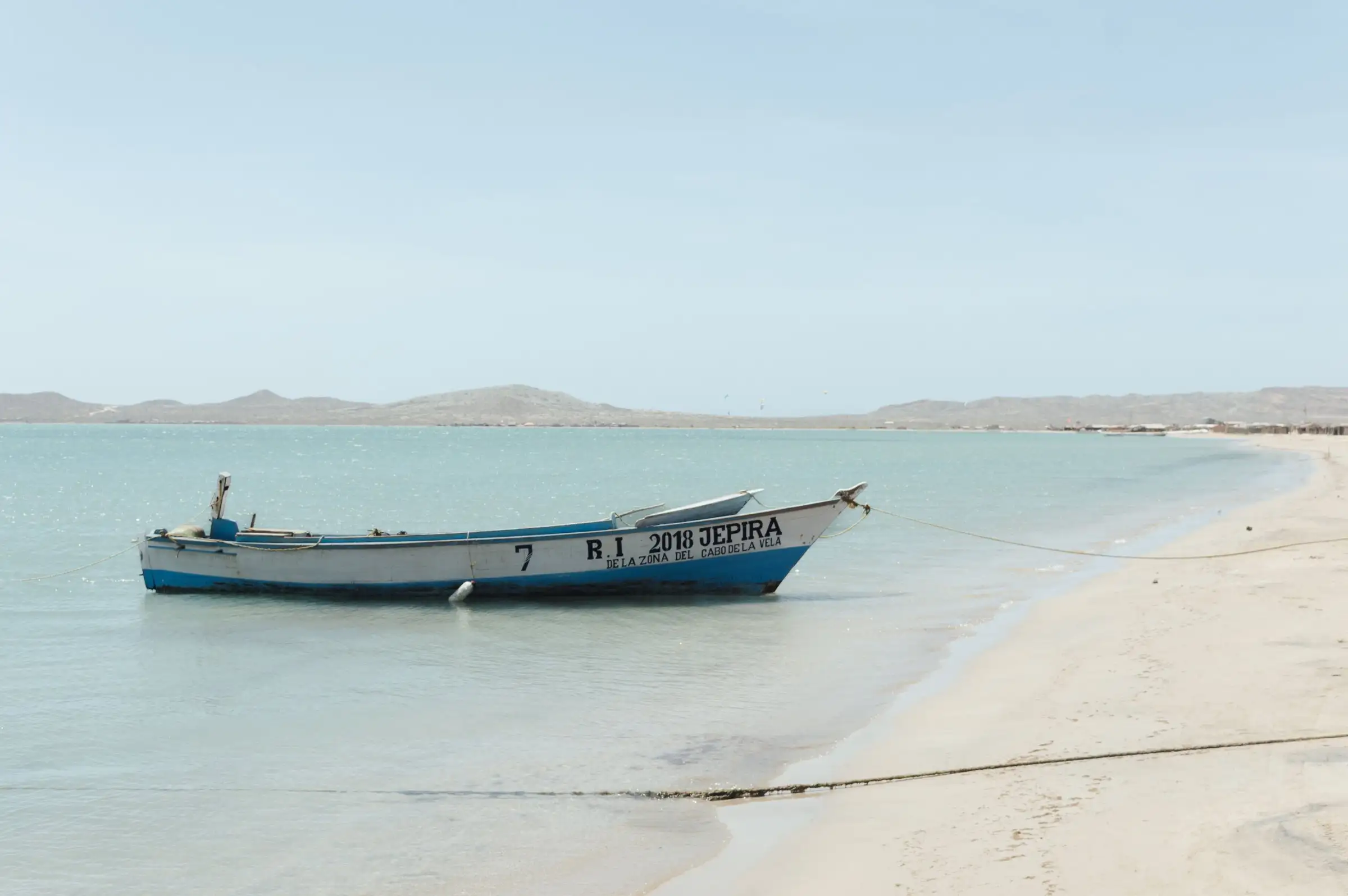
La Guajira: Cabo de la Vela and Punta Gallinas
La Guajira, Colombia's Wayuu desert that runs into the Caribbean: Cabo de la Vela and Punta Gallinas tours from Riohacha, prices, where to stay and safety.
Caribbean coast
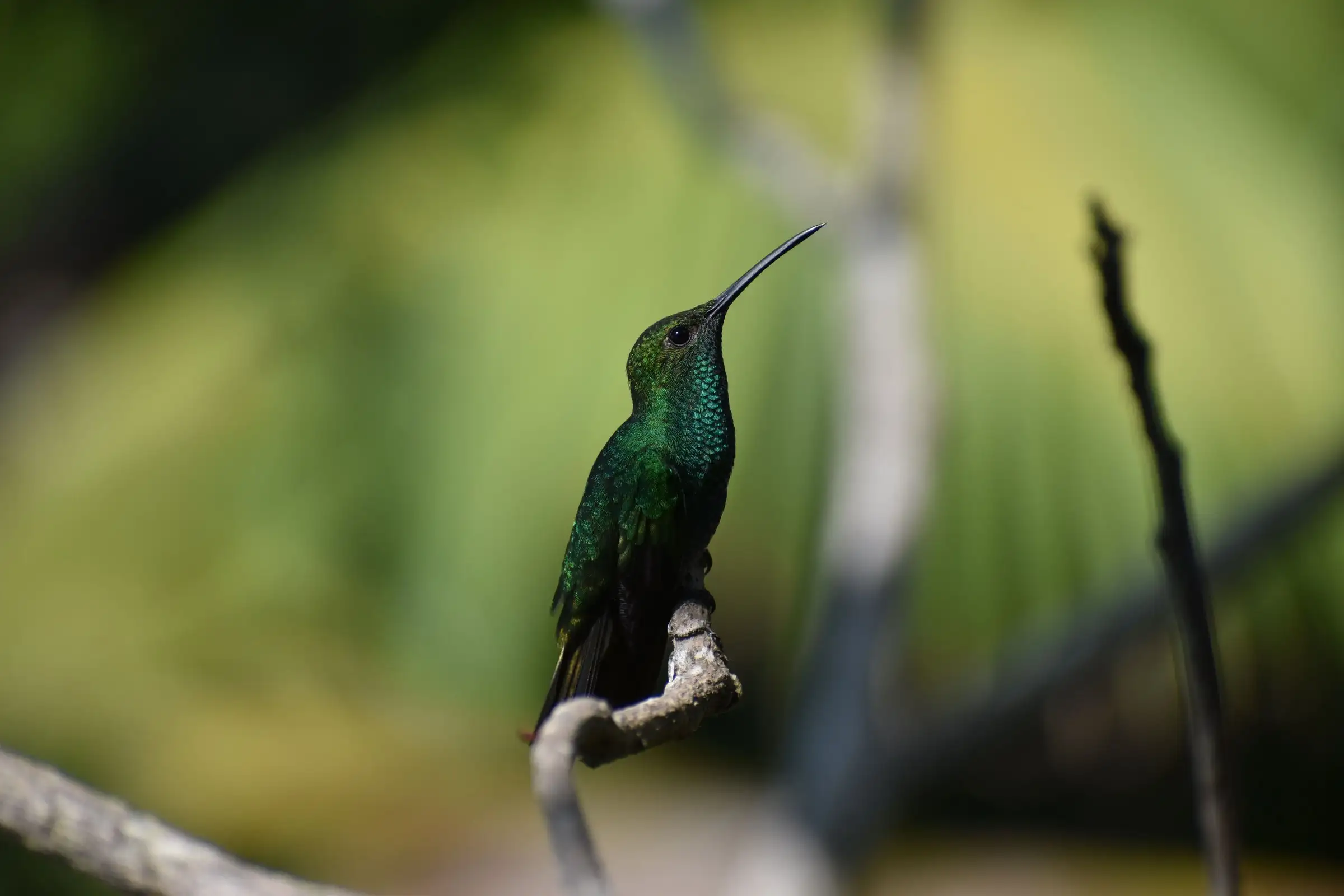
Minca
Minca in 2 days, a cooler mountain village above Santa Marta: Pozo Azul and Marinka waterfalls with prices, coffee farms, birdwatching and where to stay.
Caribbean coast
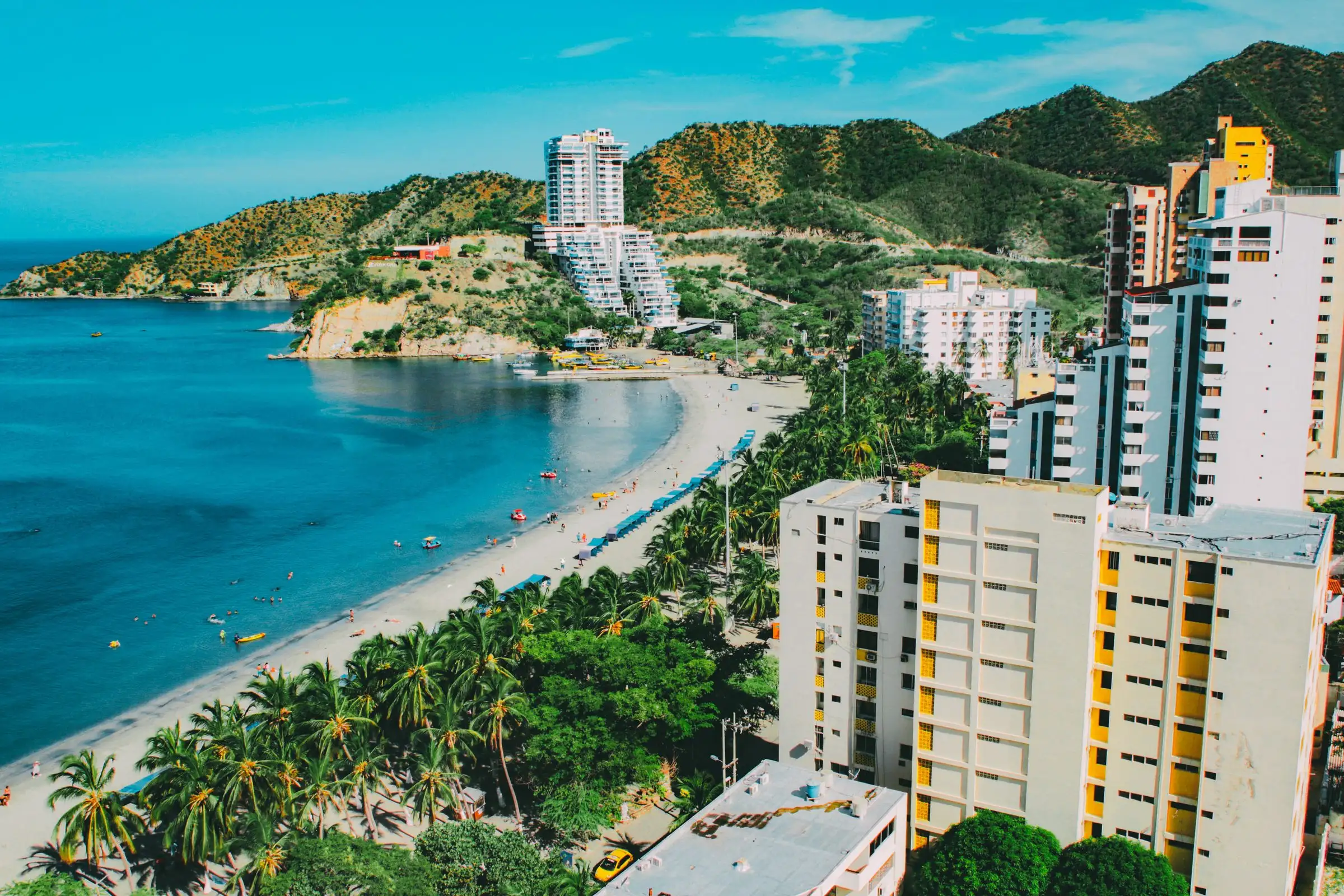
Santa Marta
Santa Marta, Colombia as a base for Tayrona, Minca and the Lost City: how many days you need, where to stay, buses and colectivos, and what it all costs.
Caribbean coast
Tayrona National Park
Tayrona National Park, where the Sierra Nevada drops into the Caribbean: buses from Santa Marta, 2026 fees and closures, Cabo San Juan and where to stay.