Place · Caribbean coast
San Andrés
San Andrés, the Colombian island of the 'sea of seven colours', 700 km off the mainland: tourist card, flights, Johnny Cay, where to stay and what it costs.
In this guide
- The tourist card: what it costs and how to buy it
- How to get to San Andrés: flights
- Things to do in San Andrés
- Getting around the island
- Where to stay in San Andrés: town, San Luis or La Loma
- How many days you need, with an itinerary
- Best time to visit San Andrés
- Safety and health
- Practical tips: money, water, language
- How much San Andrés costs
- Mistakes to avoid
- FAQ
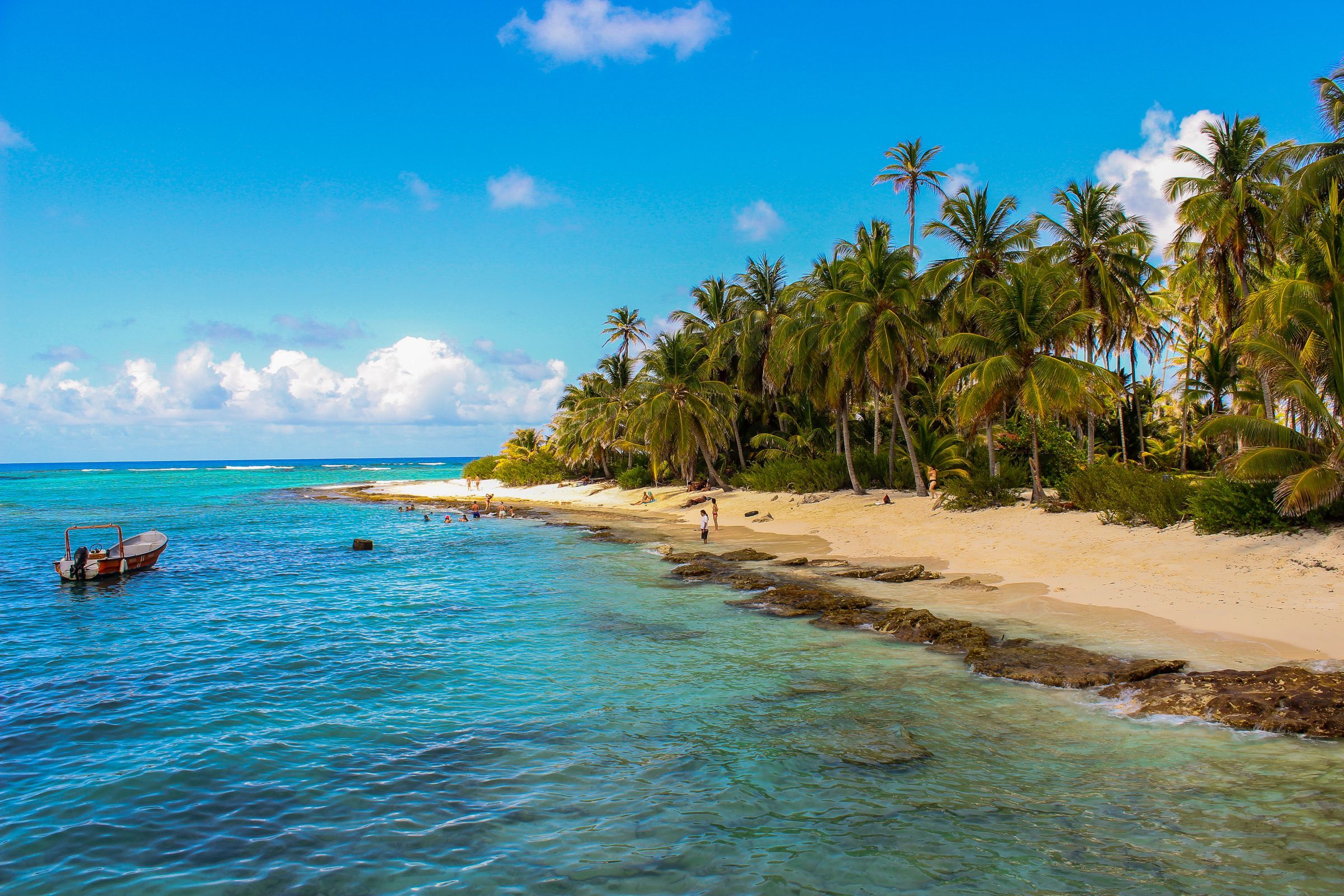
San Andrés is a 13 km (8-mile) coral island in the Caribbean, about 700 km (435 miles) from mainland Colombia and under 200 km (125 miles) from Nicaragua. People come for the “sea of seven colours”, the bands of blue and green over the lagoon and reef, for snorkelling and diving, for the little cays you reach by boat, and for a culture you won’t find anywhere else in Colombia: that of the Raizal people, Afro-Caribbean islanders who speak an English-based Creole. I’d give it four days; with less, you spend more time at airports than in the water. Below: the entry fee, flights, things to do with prices, where to stay and when to go.
The tourist card: what it costs and how to buy it
Every visitor to San Andrés, Colombian or foreign, needs the tarjeta de turismo (tourist card), a fee used to control how many people are on the island. In 2026 it costs 153,000 pesos, under the island government’s Decree 0010 of 8 January 2026; one source reports a change to 148,500 pesos from May, which I couldn’t confirm anywhere else. Children under 7 and residents with an OCCRE card are exempt.
You buy it before boarding your flight to the island: online through the island government’s portal (a digital version launched in 2026) or at the desks in the Colombian airports with flights to San Andrés. You’ll need your passport and your return ticket.
How to get to San Andrés: flights
You can only fly in: there are no regular passenger ferries from the mainland. Gustavo Rojas Pinilla airport (ADZ) sits right in town, 5-10 minutes from the main hotels.
| From | Rough flight time |
|---|---|
| Cartagena | about 1h15 |
| Barranquilla | about 1h30 |
| Medellín | about 1h45 |
| Bogotá | about 2 hours |
| Cali | about 2 hours |
| Panama City | about 1h30 |
The main routes are flown by Avianca and LATAM, which added Barranquilla on 30 March 2026; Copa flies from Panama City, with connections from across the Americas. There are no direct flights from the UK or the US: American Airlines dropped its Miami-San Andrés route in 2023, so you’ll connect in Bogotá, Medellín, Cartagena or Panama. If you’re also doing the coast, the easiest plan is to slot the island in between Cartagena and your flight home; tips on domestic flights are in our guide to flights to Colombia.
From the airport to hotels in town you can walk or take a taxi: fares are fixed by zone, with no meter, and sources put the ride to town at 20,000-30,000 pesos by day, more at night. Agree the price before you get in.
Things to do in San Andrés
| What | How and how long | Rough price |
|---|---|---|
| Johnny Cay | 15-minute boat from town, half a day | boat 40,000-70,000 pesos return (2024 figure), entry 15,000, dock fee 4,000-5,000 |
| Aquarium and Haynes Cay | by boat, often on the same trip as Johnny Cay | included in tours; check whether the Aquarium is open |
| West View and La Piscinita | on the west coast road, 1-2 hours | about 8,000 pesos |
| Rocky Cay | wade across the shallows from San Luis beach | free |
| Island loop | 30 km (19-mile) ring road, half a day or a full day | Morgan’s Cave about 20,000 pesos, Casa Museo Isleña about 15,000 |
| Diving and snorkelling | half-day boat trips with dive shops | ask the dive shops |
Entry prices come from tour operators’ price lists, not official sources: bring cash in small notes, as you pay on the spot.
Johnny Cay and the Aquarium: the cays by boat
Johnny Cay is an islet of white sand and palm trees 15 minutes by boat from town: it’s the classic San Andrés picture, and that’s why it’s also the most crowded spot. It’s a regional park with a cap of 1,800 visitors a day and, under a 2018 court ruling, it closes for three days every quarter for maintenance, so check the dates before planning your day. Take the first boat of the morning, while it’s still quiet, and only swim in the marked area: the side facing the open sea has currents.
The Aquarium (Acuario, on Rose Cay) and neighbouring Haynes Cay are the usual second stop: clear shallow water where you wade among fish, and a restaurant on the water at Haynes. In August 2025, though, San Andrés’s administrative court, acting on a case brought by Colombia’s Inspector General’s office, ordered Rose Cay closed for six months and Haynes Cay closed for three days every quarter, citing damage from mass tourism; the floating bridge between the two cays was dismantled and the stalls demolished. I couldn’t find any official word on reopening, while tours are still on sale: before paying, ask the operator whether you’ll actually land at the Aquarium or only at Haynes Cay.
“Johnny Cay + Aquarium” trips leave from the docks along the seafront in town. There are also full-day trips to more distant cays, such as Cayo Bolívar, at higher prices.
The island loop: West View, Hoyo Soplador and La Loma
You can drive around San Andrés in a day on the Circunvalar, the coastal ring road of about 30 km (19 miles). The stops I’d make, anticlockwise from town:
- San Luis: the east coast, with quieter beaches and Rocky Cay, an islet you can wade out to, with a shipwreck just beyond.
- Hoyo Soplador: a blowhole in the coral rock at the southern tip that shoots water into the air when the sea is up and the wind is blowing. On calm days, not much happens.
- West View and La Piscinita: on the west coast, platforms and ladders into deep, crystal-clear water full of fish. It’s the easiest snorkelling on the island, and you can rent masks on site.
- Morgan’s Cave (Cueva de Morgan): a cave tied to the legend of the pirate Henry Morgan, with a small museum and island music and dance shows. It’s very touristy: skip it if you’re short on time.
- La Loma: the Raizal heart of the island, on the central hill, with the First Baptist Church, colourful wooden houses and the Big Pond lagoon, home to caimans and turtles.
You have three ways to do the loop: rent a mula (the island’s golf cart) or a scooter, hire a taxi by the hour, or join a chiva tour on the island’s open-sided painted bus. In a mula you stop wherever you like; on a chiva you see everything, but on the group’s schedule.
Snorkelling and diving
San Andrés sits at the heart of the Seaflower Biosphere Reserve (UNESCO, 2000), with one of the most extensive coral reef systems in the Caribbean. For snorkelling, West View, La Piscinita and Rocky Cay are enough; for diving there are several centres along the west coast and in San Luis, with walls, wrecks and warm water all year. The PADI Open Water course takes 3-4 days: the prices published online aren’t reliable, so compare at least two dive shops and ask whether gear and park fees are included. Check that your travel insurance covers diving.
Getting around the island
- On foot: the town (the North End) is walkable, with a pedestrian seafront and Spratt Bight beach.
- Bus: buses run along the Circunvalar and up to La Loma, at around 2,500-3,000 pesos a ride according to older sources. Slow, but handy for San Luis.
- Taxi: fixed fares by zone, no meter. Always agree the price before you get in; it’s more at night.
- Mula, scooter or motorbike: you can rent them in town and at many hotels. You’ll need a driving licence, and there are few published prices, all of them old: compare two or three rental places and photograph the vehicle before you set off. The ring road is busy with motorbikes, so don’t drink and drive.
There’s no Uber.
Where to stay in San Andrés: town, San Luis or La Loma
| Area | Pros and cons | Rough price per night |
|---|---|---|
| Town (North End) | close to the airport, the boats to the cays, restaurants and shops; crowded, noisy, busy beach | hotel double from about 250,000 pesos, beachfront hotels and resorts much more |
| San Luis | calmer beaches, Rocky Cay, resorts and guesthouses; you need a taxi or bus into town | guesthouses from about 150,000 pesos, all-inclusive resorts well over 500,000 |
| La Loma and the south and west coast | posadas nativas, quiet, Raizal culture, close to West View; far from everything, you need transport | 150,000-250,000 pesos in a posada |
Posadas nativas are Raizal family homes renting out rooms: cheaper than hotels and the best way to see the island from the inside. My advice: with four nights, split them between town (handy for the cays) and San Luis or La Loma. Prices come from booking sites, vary a lot by date and climb steeply from mid-December to mid-January, at Easter, in June-July and on Colombian long weekends.
How many days you need, with an itinerary
I’d plan four days (three or four nights):
- Day 1 – Arrival and town. The seafront, Spratt Bight beach and sunset. If you land early, a first swim in San Luis.
- Day 2 – Johnny Cay and the cays. First boat of the morning to Johnny Cay, then Haynes Cay (and the Aquarium, if open). Afternoon off.
- Day 3 – Island loop. By mula: San Luis and Rocky Cay, Hoyo Soplador, snorkelling at West View, lunch of rondón (fish and coconut stew), La Loma and Big Pond.
- Day 4 – Dive or snorkel, then fly out. A morning boat trip with a dive shop, then your flight.
With two or three more days, go to Providencia, the smaller, hillier and much quieter sister island: it’s about 20 minutes by plane or around 3 hours by catamaran, often on a rough sea. The islands pair well with a week on the Caribbean coast; if all you want is clear water near Cartagena, consider the Rosario Islands instead, no flight needed.
Best time to visit San Andrés
The driest season runs from January to April: sunshine, calm seas and clear water, but also high prices during holidays. It’s hot all year, with highs of 29-31 °C (84-88 °F), and the sea stays warm. October and November are the wettest months. Hurricane season runs from June to November: San Andrés lies south of the main hurricane track, but in November 2020 Hurricane Iota devastated Providencia and damaged San Andrés. If you travel in those months, follow updates from Colombia’s weather service (IDEAM) and the island government, and book flexible fares. For the rest of the country, see our guide on when to go to Colombia.
Safety and health
San Andrés is one of the calmest places in Colombia. The UK Foreign Office (FCDO) doesn’t advise against travel to the islands, only mentioning that hurricanes and tropical storms can affect Colombia’s Caribbean coast, and the US State Department’s Level 3 rating for Colombia as a whole doesn’t single out the archipelago among its Level 4 areas. Colombian media have reported thefts from tourists, though, mostly in town and on crowded beaches: don’t leave your phone and cash unattended while you swim, and take a taxi at night. The real risks are elsewhere:
- The sea: in some spots, such as the open-sea side of Johnny Cay or near Hoyo Soplador, there are currents. Swim where others swim and follow the signs.
- The sun: the island is flat with little shade. Reef-safe sunscreen, a hat and a T-shirt for snorkelling.
- Motorbikes and mulas: most tourist accidents happen on the road.
Practical tips: money, water, language
- Money: there are ATMs in town and many shops take cards, since San Andrés is a duty-free zone. Boats, entry fees, posadas and beach stalls want cash, so withdraw in town before heading to San Luis or La Loma.
- Water and power: fresh water is scarce and there has been rationing in dry spells in the past: don’t drink from the tap and go easy on the shower. Short power cuts can happen.
- Language: everyone speaks Spanish, but among Raizal families the home language is an English-based Creole, and many speak English.
- Prices: the island is pricier than the coast for food and accommodation, because almost everything arrives by ship or plane; only duty-free goods are cheap.
How much San Andrés costs
| Item | Rough price |
|---|---|
| Tarjeta de turismo | 153,000 pesos |
| Taxi airport → town | 20,000-30,000 pesos |
| Bus | 2,500-3,000 pesos |
| Boat to Johnny Cay (and the Aquarium) | 40,000-70,000 pesos return |
| Johnny Cay entry plus dock fee | about 20,000 pesos |
| West View | about 8,000 pesos |
| Morgan’s Cave | about 20,000 pesos |
| Posada nativa, double room | 150,000-250,000 pesos |
For four days, not counting flights, with the tourist card, a posada, the cays, the island loop and simple meals, budget at least 800,000-1,200,000 pesos per person sharing a double room. Add a dive, a beachfront hotel or an all-inclusive and it climbs fast.
Mistakes to avoid
- Getting to the airport without the tarjeta de turismo and finding a queue at the desks just before boarding.
- Paying for the Aquarium tour without asking whether the cay is open.
- Going to Johnny Cay at midday or on one of its quarterly closure days.
- Staying only in town: you’ll see the least interesting part of the island.
- Renting a mula or scooter without photographing it and without checking what the rental covers if it’s damaged.
- Running out of cash outside town.
- Booking non-refundable fares for September to November without allowing for hurricanes.
FAQ
How much is the San Andrés tourist card in 2026?
153,000 pesos per person under Decree 0010 of 8 January 2026; one source gives 148,500 pesos from May. Children under 7 and residents are exempt; you buy it before boarding, online or at your departure airport in Colombia.
How do you get to San Andrés Island?
Only by plane: there are direct flights from Bogotá (about 2 hours), Medellín, Cartagena (about 1h15), Cali, Barranquilla and Panama City. From the UK and the US you’ll need at least one connection.
How many days do you need in San Andrés?
Four days are enough for Johnny Cay, a loop of the island with West View and La Loma, and a day of snorkelling or diving. Add two or three if you also want to visit Providencia.
How much does it cost to go to Johnny Cay?
The return boat costs 40,000-70,000 pesos according to 2024 figures, plus about 15,000 pesos park entry and a 4,000-5,000-peso dock fee. You pay in cash.
San Andrés or the Rosario Islands?
San Andrés is worth the flight if you have at least four days: it has more reef, better diving and a culture of its own. The Rosario Islands are a day trip from Cartagena, with no flight and no tourist card, but they’re busier and offer less variety.
Some links are affiliate links: if you buy through them I earn a small commission, at no extra cost to you. How it works
Nearby and worth combining
Caribbean coast
Providencia
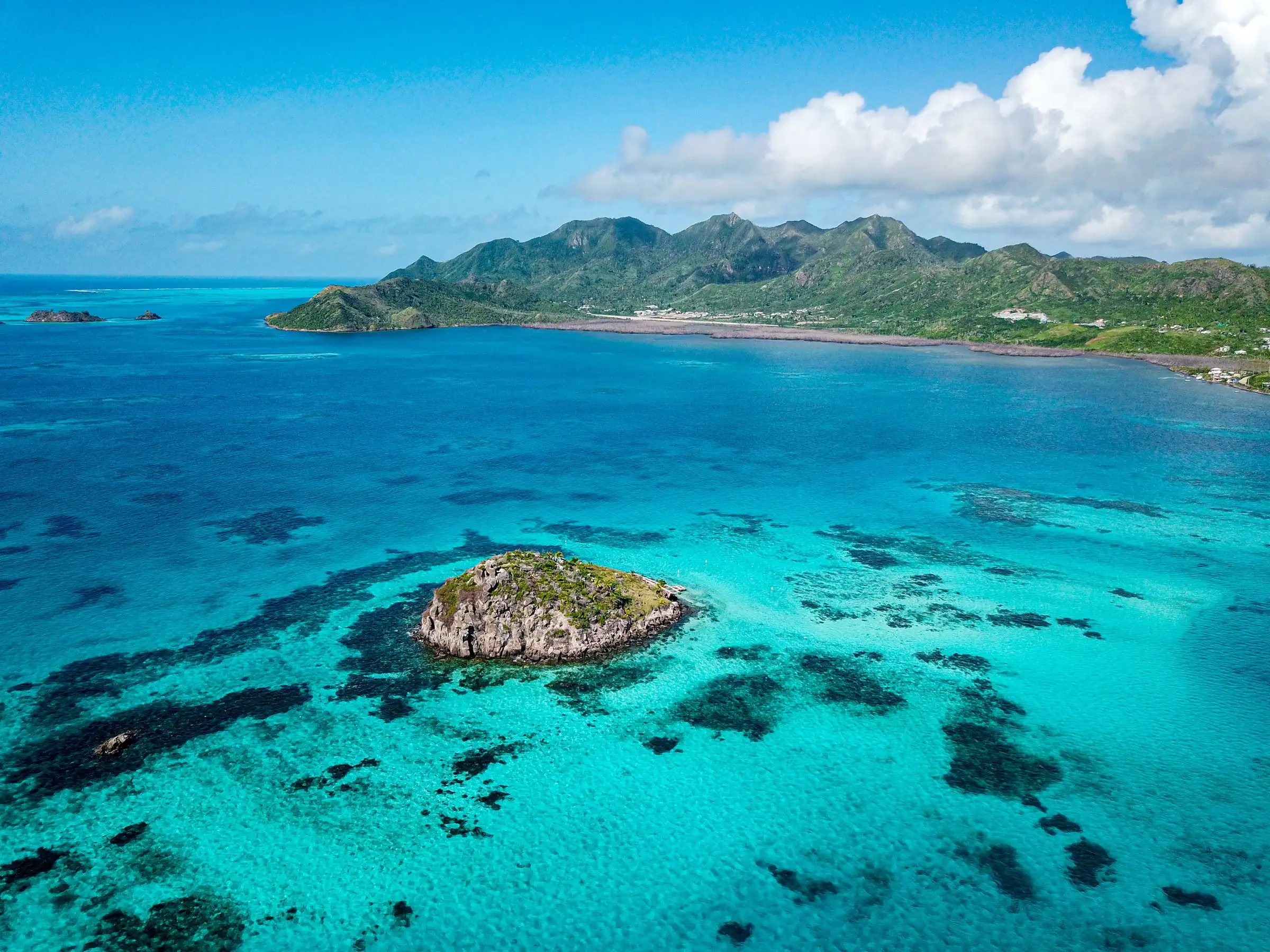
Providencia and Santa Catalina, Colombia's quiet Raizal islands 90 km from San Andrés: flight or catamaran, Crab Cay, El Pico hike, beaches and where to stay.
Caribbean coast
Cartagena de Indias
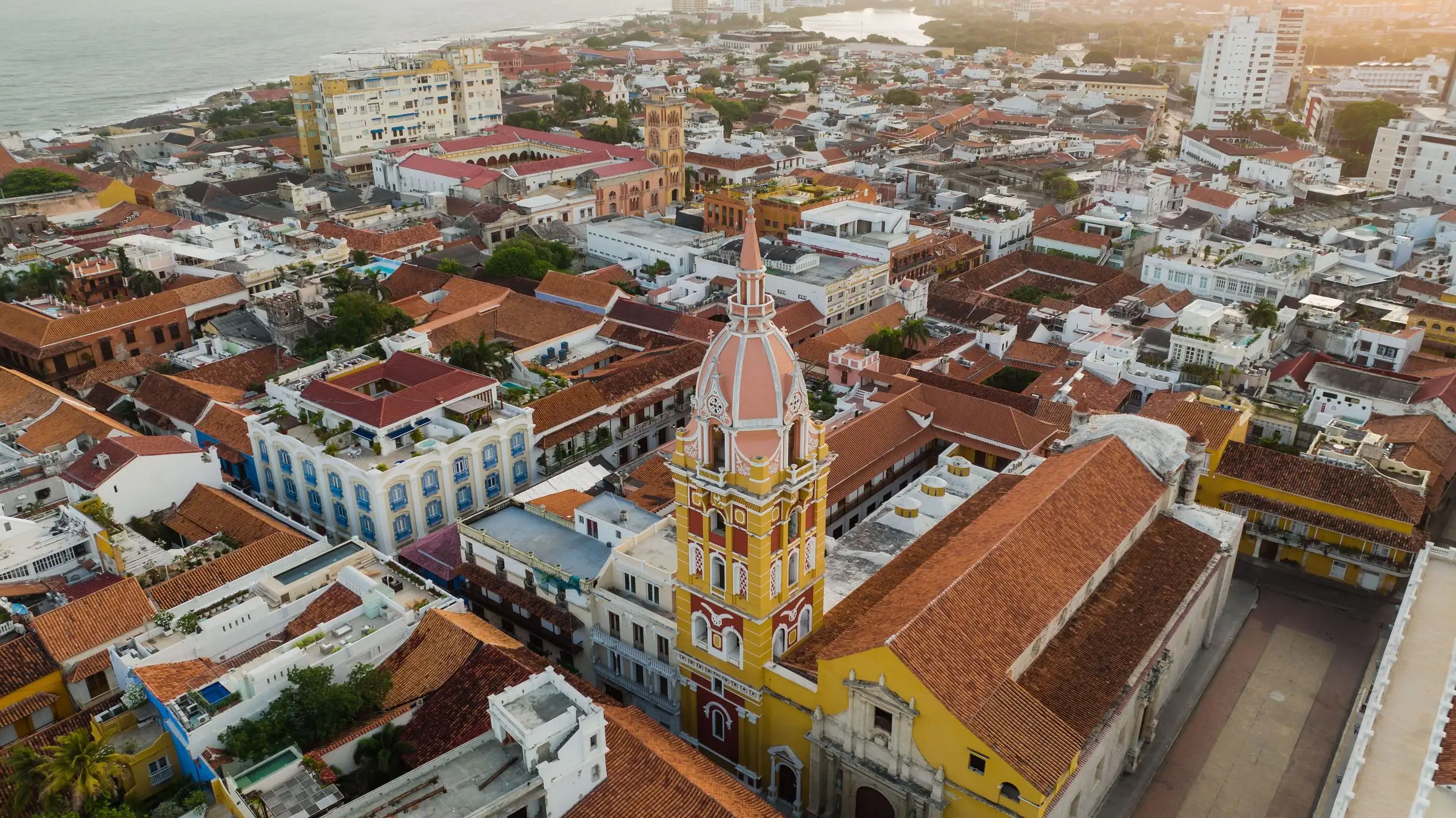
Cartagena, Colombia travel guide: the country's most beautiful colonial city, how many days you need, the best area to stay, airport transfers and costs.